
shell
ผู้เยี่ยมชม
How Did the BRI 10th Anniversary Mark a Decade of Global Connectivity and Economic Cooperation? (5 อ่าน)
12 ต.ค. 2569 23:53
The BRI 10th Anniversary marked a significant milestone in the development of the Belt and Road Initiative, an international cooperation program launched by China in 2013. Over its first decade, the initiative focused on strengthening global connectivity, improving infrastructure, promoting international trade, and encouraging economic partnerships between participating countries. The anniversary provided an opportunity to review the initiative's achievements, examine its influence on international development, and consider its future direction.
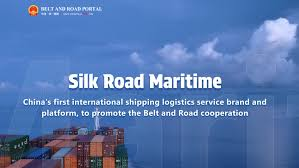
The Belt and Road Initiative, commonly known as BRI, aims to improve connections between countries through transportation networks, energy infrastructure, international trade routes, digital technologies, and cultural exchanges. By encouraging cooperation across Asia, Europe, Africa, and other regions, the initiative seeks to create opportunities for economic growth and stronger international relationships. The BRI 10th Anniversary highlighted the importance of cooperation in addressing infrastructure gaps and supporting long-term development.
During the first ten years, BRI became an important topic in discussions about international investment, regional connectivity, and global economic cooperation. Governments, businesses, and development institutions examined its role in improving transportation systems, expanding commercial relationships, and supporting infrastructure development. The anniversary also encouraged discussions about sustainable investment, financial responsibility, and the importance of ensuring that development projects provide meaningful benefits to participating countries.
The Significance of the BRI 10th Anniversary in Global Development
The BRI 10th Anniversary represented ten years of efforts to strengthen connections between countries and improve access to international markets. Since its launch in 2013, the Belt and Road Initiative has supported cooperation in transportation, energy, logistics, telecommunications, and other sectors. Its broader objective is to facilitate the movement of goods, services, people, and information while encouraging countries to develop stronger economic partnerships.
Infrastructure development has remained one of the most visible aspects of the initiative. Roads, railways, ports, and logistics centers can help countries improve transportation efficiency and connect businesses with international markets. Reliable infrastructure can also support industrial growth, encourage investment, and improve access to essential services. For developing economies, these improvements may create opportunities to strengthen domestic industries and participate more actively in global trade.
Railway connectivity is another important part of the Belt and Road Initiative. China-Europe freight train services have expanded transportation options between Asian and European markets, providing businesses with an alternative to other shipping methods for suitable goods and routes. These freight services can support international supply chains and connect manufacturing centers with distribution networks. Their effectiveness depends on factors such as transportation costs, border procedures, infrastructure quality, and market demand.
Energy cooperation has also played a role in BRI-related development. Energy infrastructure, electricity transmission, and renewable energy projects can help participating countries improve energy access and support industrial activity. Reliable electricity supplies are essential for manufacturing, digital services, transportation, and economic development. As environmental concerns become increasingly important, green energy and sustainable infrastructure are also receiving greater attention in discussions about the future of international development.
The anniversary further highlighted the importance of international trade cooperation. Improved transportation and logistics networks can help businesses move products more efficiently, reach new customers, and develop relationships with international suppliers. Stronger trade connections may also encourage investment in manufacturing, agriculture, technology, and other industries.
Beyond physical infrastructure, the Belt and Road Initiative has encouraged discussions about digital connectivity, educational cooperation, tourism, and cultural exchange. These activities can strengthen relationships between countries and create opportunities for knowledge sharing. The BRI 10th Anniversary therefore represented not only a review of infrastructure development but also a broader reflection on the value of international cooperation.
Major Achievements and Economic Opportunities of the Belt and Road Initiative
The BRI 10th Anniversary brought attention to the economic opportunities associated with a decade of international infrastructure cooperation. Projects connected with the initiative have supported discussions about transportation efficiency, trade expansion, industrial development, and investment opportunities. However, the outcomes differ between countries and projects, making it important to evaluate individual developments according to their economic and social results.
Transportation infrastructure can create significant opportunities for businesses and local communities. Modern roads, railway networks, and port facilities can improve access to markets and help reduce logistical barriers. Better transportation links may also encourage tourism, support agricultural exports, and improve the distribution of manufactured products. When infrastructure is supported by effective customs procedures and reliable logistics services, it can contribute to more efficient regional trade.
The China-Pakistan Economic Corridor, widely known as CPEC, is an important example of cooperation associated with the Belt and Road Initiative. It has focused on infrastructure, energy, transportation, and connectivity projects in Pakistan. These areas are particularly relevant to Pakistan's development because reliable transportation and energy systems can support industrial growth, business activity, and regional trade.
CPEC has also generated discussions about investment, employment, and the development of economic zones. The long-term benefits of these projects depend on effective implementation, responsible financing, infrastructure maintenance, and the ability to create productive opportunities for local businesses and workers. Ensuring that projects respond to local needs remains essential for achieving sustainable development outcomes.
International investment is another important dimension of BRI cooperation. Infrastructure projects can create demand for construction services, engineering, logistics, equipment, and technical expertise. Local companies may gain opportunities to work with international partners, while businesses from participating countries can explore new markets and supply chains. These opportunities can contribute to economic activity when projects are commercially viable and managed effectively.
Digital connectivity has also become increasingly relevant to global development. Modern communication networks, e-commerce systems, and digital logistics platforms can help businesses coordinate international transactions and reach customers in different countries. Small and medium-sized enterprises may benefit from improved digital access because it can make international trade and communication more accessible.
The initiative has also encouraged greater attention to green development. Renewable energy, energy-efficient transportation, and environmentally responsible construction can support economic development while reducing potential environmental impacts. Incorporating sustainability into infrastructure planning can improve project resilience and help participating countries address long-term environmental challenges.
Nevertheless, large infrastructure initiatives can face challenges involving project costs, debt sustainability, environmental protection, and differences in national priorities. These issues demonstrate the importance of transparent planning, careful financial assessments, and responsible project management. Evaluating both achievements and challenges provides a more balanced understanding of the Belt and Road Initiative's contribution to international development.
Future Prospects After the BRI 10th Anniversary
The BRI 10th Anniversary also encouraged countries to consider the initiative's future direction. As international trade patterns, technological systems, and development priorities continue to change, future cooperation will need to respond to emerging economic and environmental challenges.
One important opportunity is the development of sustainable infrastructure. Countries increasingly need transportation systems, energy facilities, and industrial projects that can support economic growth while considering environmental protection. Greater attention to renewable energy, resource efficiency, and environmental assessments can help improve the long-term value of infrastructure investment.
Another potential area of progress is the modernization of international logistics. Businesses depend on reliable shipping routes, efficient border procedures, and effective supply chain management. Continued cooperation in rail freight, port development, and digital logistics could strengthen connections between Asian, European, and other international markets. The practical benefits will depend on infrastructure quality, operating costs, trade demand, and cooperation between participating countries.
Technology may also play an important role in the next phase of BRI development. Digital trade platforms, modern telecommunications, and advanced logistics systems can help businesses exchange information and manage international operations more efficiently. Cooperation in digital infrastructure may create additional opportunities for innovation, particularly in economies seeking to modernize their business environments.
For developing countries, the future success of the initiative will also depend on local economic participation. Infrastructure investments are more valuable when they support employment, improve skills, strengthen local industries, and provide access to new markets. Governments and businesses can work together to ensure that projects contribute to long-term economic capacity rather than focusing exclusively on construction.
International partnerships must also respect the different development priorities and financial circumstances of participating countries. Transparent agreements, realistic economic assessments, environmental safeguards, and effective oversight can help reduce risks and build confidence among partners. These measures are important for ensuring that infrastructure projects remain useful and financially manageable over time.
Ultimately, the value of the Belt and Road Initiative should be assessed through measurable outcomes. Improved transportation, stronger trade connections, reliable energy supplies, sustainable employment, and responsible investment are important indicators of progress. The lessons from the initiative's first decade can help guide future projects toward more inclusive and sustainable development.
Conclusion
The BRI 10th Anniversary marked an important milestone in the development of the Belt and Road Initiative and its efforts to strengthen global connectivity. During its first decade, the initiative promoted international cooperation in transportation, energy, trade, logistics, digital infrastructure, and economic development. These areas have created opportunities for participating countries to improve infrastructure, expand commercial relationships, and explore new investment possibilities.
At the same time, the long-term success of BRI depends on addressing challenges related to financial sustainability, environmental protection, transparency, and local development needs. Future projects must deliver practical benefits while respecting national priorities and supporting responsible economic growth.
shell
ผู้เยี่ยมชม