
shell
ผู้เยี่ยมชม
Belt and Road Chinese Enterprises: How Are Chinese Companies Expanding Global Trade and Investment? (6 อ่าน)
11 ต.ค. 2569 16:22
Belt and Road Chinese Enterprises play an important role in international trade, infrastructure development, and economic cooperation. Through the Belt and Road Initiative (BRI), Chinese companies have expanded their involvement in overseas markets, working with international partners on transportation networks, energy projects, industrial development, digital technology, and logistics. These activities have created new opportunities for cross-border investment while strengthening commercial relationships between China and participating countries.
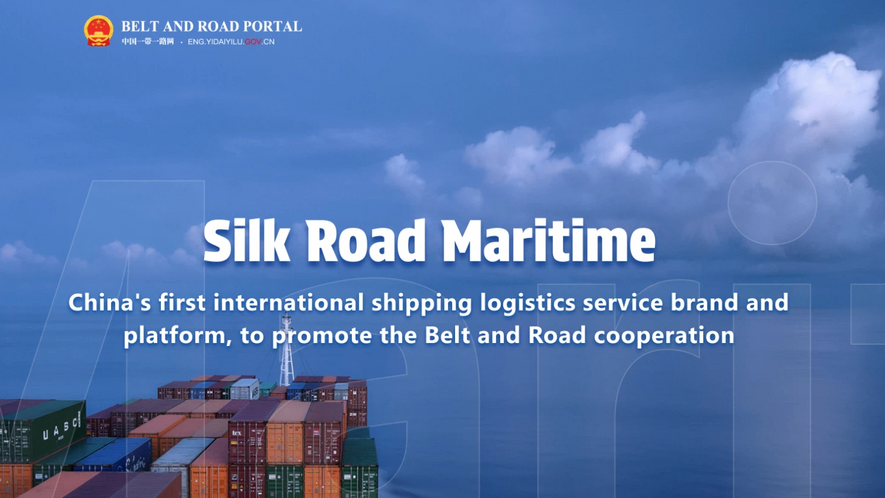
As globalization continues to shape business strategies, Chinese enterprises are exploring new ways to connect markets, improve supply chains, and support economic development. From large state-owned corporations to privately owned technology companies, businesses from China participate in a wide range of international projects. Their involvement reflects China's broader ambition to strengthen trade connectivity and promote international economic cooperation.
Understanding Belt and Road Chinese Enterprises provides valuable insight into China's overseas investment strategy, international business partnerships, and the changing landscape of global commerce. It also helps businesses identify potential opportunities, understand market developments, and evaluate the challenges associated with international expansion.
Belt and Road Chinese Enterprises and International Economic Cooperation
The Belt and Road Initiative was introduced by China in 2013 to strengthen international connectivity through infrastructure investment, trade cooperation, and economic partnerships. It includes the Silk Road Economic Belt, which focuses on land-based connections, and the 21st Century Maritime Silk Road, which emphasizes maritime trade routes and port connectivity.
Chinese enterprises are central participants in many activities associated with this initiative. They contribute engineering expertise, construction services, industrial equipment, financing arrangements, and technological solutions to projects in different regions. Their involvement can support the development of transportation systems, energy facilities, industrial parks, and commercial infrastructure.
State-owned enterprises often participate in large-scale projects that require substantial financial resources and technical capabilities. These companies may work on railway construction, power generation, port development, and other infrastructure projects. Their experience in managing complex operations can help support projects that connect regional markets and improve transportation efficiency.
Private Chinese companies also contribute to international business development. Technology providers, manufacturers, e-commerce businesses, and logistics companies can offer services that help local enterprises improve productivity and access international customers. Their participation extends the role of Belt and Road Chinese Enterprises beyond traditional infrastructure investment.
International cooperation is an important element of these business relationships. Chinese enterprises frequently work with local contractors, suppliers, government institutions, and private investors. These partnerships can support knowledge exchange, employment opportunities, technical training, and the development of local industries.
Improved infrastructure can also influence international trade by reducing transportation barriers and improving access to distribution networks. When businesses have better access to ports, railways, highways, and industrial facilities, they may find it easier to transport products and coordinate international supply chains.
However, the economic benefits of these projects depend on effective planning, transparent agreements, responsible financing, and local market conditions. Successful international cooperation requires companies to understand the priorities of their partners and ensure that projects deliver practical, sustainable benefits.
Belt and Road Chinese Enterprises in Infrastructure, Technology, and Global Markets
Infrastructure development remains one of the most visible areas of overseas activity associated with Belt and Road Chinese Enterprises. Chinese construction and engineering companies have participated in projects involving highways, railways, bridges, ports, airports, and industrial facilities. These developments can improve regional connectivity and create opportunities for businesses that depend on reliable transportation systems.
Energy is another important sector. Chinese enterprises have been involved in power generation, electricity transmission, renewable energy, and related infrastructure in various international markets. Solar power, wind energy, and other clean energy technologies have become increasingly relevant as countries seek to diversify their energy sources and improve energy security.
Manufacturing companies also contribute to international economic cooperation. Through overseas industrial facilities and commercial partnerships, Chinese manufacturers can establish stronger connections with suppliers, distributors, and customers. These relationships may support the movement of industrial products, machinery, consumer goods, and raw materials across borders.
Digital technology is creating additional opportunities for Chinese enterprises operating internationally. Companies involved in telecommunications, cloud computing, e-commerce, digital payments, and logistics software can provide technological services to businesses in participating markets. Digital infrastructure can improve communication, support online transactions, and help organizations manage international operations more efficiently.
The expansion of Chinese enterprises into overseas markets can also influence local competition. International companies may benefit from improved infrastructure, greater access to suppliers, and new business partnerships. At the same time, local businesses may face stronger competition from international manufacturers and service providers. Governments and businesses therefore need to consider market access, fair competition, technology transfer, and the development of local capabilities.
Pakistan provides an important example of cooperation involving Chinese enterprises through the China-Pakistan Economic Corridor (CPEC). This economic cooperation framework is associated with transportation infrastructure, energy development, industrial cooperation, and regional connectivity. Chinese companies have participated in projects connected to these areas, contributing to the broader economic relationship between Pakistan and China.
For Pakistani businesses, these developments may create opportunities in logistics, construction materials, manufacturing, agriculture, information technology, and supporting services. Local suppliers can explore partnerships with larger companies, while exporters may investigate opportunities to reach additional international markets.
However, participation in projects connected to Belt and Road Chinese Enterprises is not automatic. Businesses need to assess project requirements, financing arrangements, procurement rules, and local regulations before pursuing commercial opportunities. Careful research can help companies identify realistic partnerships and avoid unnecessary financial risks.
International expansion also requires an understanding of cultural differences and business practices. Companies operating across different countries must adapt to local customer expectations, legal systems, communication styles, and employment standards. Building trust with local partners can strengthen commercial relationships and support long-term cooperation.
Challenges and Future Opportunities for Belt and Road Chinese Enterprises
Although Belt and Road Chinese Enterprises can contribute to infrastructure development and international trade, overseas business operations involve significant challenges. Large projects may require substantial investment, complex negotiations, and extended implementation periods. Delays, changing regulations, political developments, and unexpected costs can affect project schedules and financial performance.
Debt sustainability and project financing are important considerations for governments and investors. Infrastructure investments need realistic financial assessments, transparent lending arrangements, and clear plans for long-term operation and maintenance. Projects that fail to generate sufficient economic value may create financial pressure for the organizations involved.
Regulatory compliance is another major concern. Each country has its own requirements concerning taxation, employment, environmental protection, foreign investment, and business licensing. Chinese enterprises must follow applicable local laws and international standards while maintaining responsible business practices.
Environmental and social responsibility also plays an important role in the future of international investment. Infrastructure projects can affect ecosystems, land use, local communities, and natural resources. Appropriate environmental assessments, stakeholder consultation, and effective safeguards can help reduce negative impacts and improve project outcomes.
Competition in overseas markets presents additional challenges. Chinese enterprises may compete with local businesses and companies from other countries for contracts, customers, and investment opportunities. Long-term success depends on delivering reliable services, maintaining product quality, managing costs, and developing strong relationships with customers and partners.
Despite these difficulties, several areas offer potential for future growth. Renewable energy, sustainable infrastructure, smart transportation, advanced manufacturing, digital commerce, and supply chain technology may create new opportunities for international cooperation. Companies that invest in innovation and sustainable business practices may be better prepared to respond to changing market requirements.
Small and medium-sized businesses can also participate in the wider commercial ecosystem surrounding Chinese overseas investment. They may supply equipment, provide professional services, support logistics operations, or develop digital tools for international clients. Establishing a clear business strategy and identifying suitable partners can help these companies compete more effectively.
Governments and private organizations can support productive cooperation by improving transparency, strengthening regulatory frameworks, and encouraging skills development. Local workforce training and collaboration with domestic suppliers can help ensure that international projects contribute to broader economic development.
For Chinese enterprises, a balanced approach to overseas investment is increasingly important. Commercial growth must be supported by sound financial management, responsible environmental practices, local engagement, and an understanding of the long-term needs of host countries.
Conclusion
Belt and Road Chinese Enterprises have become an important part of discussions about international trade, infrastructure investment, and global economic cooperation. Through transportation projects, energy development, manufacturing, digital technology, and international partnerships, Chinese companies contribute to commercial relationships across different regions.
Their overseas activities can create opportunities for infrastructure improvement, employment, technology exchange, and business expansion. Countries such as Pakistan also illustrate the potential importance of cooperation through initiatives such as the China-Pakistan Economic Corridor.
Nevertheless, successful participation depends on responsible financing, transparent business agreements, regulatory compliance, environmental protection, and effective partnerships with local communities and companies. Businesses must evaluate each opportunity carefully rather than assuming that every international project will deliver the same economic benefits.
shell
ผู้เยี่ยมชม