
shell
ผู้เยี่ยมชม
Is a Power Bank With AC Plug a Better Charging Solution for Travel and Everyday Use? (51 อ่าน)
16 ก.ย. 2569 23:24
Staying connected has become an important part of everyday life, whether you are working remotely, traveling, studying, or spending a long day away from home. Smartphones, tablets, cameras, wireless earbuds, and other portable electronics all depend on reliable battery power. A power bank with AC plug provides a convenient solution by combining portable battery storage with a built-in AC wall plug. Instead of carrying a separate charger and traditional power bank, users can have both functions in one compact device.
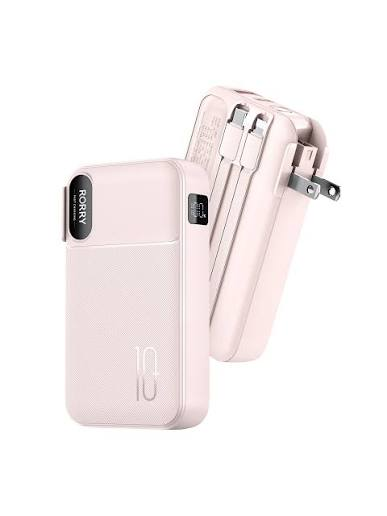
The popularity of multifunctional charging accessories continues to grow because people want fewer cables and simpler charging setups. A portable power bank with AC plug can be particularly useful during travel, business trips, airport waits, hotel stays, and daily commuting. Its integrated plug allows the power bank to recharge directly from a wall outlet, while its internal battery can provide power when an outlet is unavailable.Online business community
Power Bank With AC Plug for Convenient Charging
A power bank with ac plug is essentially a rechargeable battery pack designed with a built-in AC wall adapter. Traditional power banks usually need a separate charging cable and USB power adapter to recharge their internal battery. An AC plug power bank removes much of that extra equipment by allowing the unit to connect directly to a compatible wall socket.
This design can make charging more convenient for people who frequently move between locations. When a wall outlet is available, the power bank can be plugged directly into it to recharge. Afterward, users can disconnect the device and carry the stored energy with them. This creates a simple charging cycle without requiring a separate wall charger.
A portable charger with built-in AC plug can also help reduce cable clutter. Instead of carrying a power bank, wall adapter, and charging cable separately, users may be able to carry one multifunctional accessory along with the necessary device cable. This is especially helpful for people who prefer lightweight travel bags.
Different models can provide different combinations of ports and charging technologies. Some include USB-A ports, USB-C ports, or both, while others may offer fast charging support for compatible smartphones and tablets. Because specifications vary between models, users should always check the supported output and charging standards before purchasing.
Features of an AC Plug Power Bank
The main advantage of an AC plug power bank is the combination of wall charging and portable battery functionality. This makes the device useful in two different situations. When an electrical outlet is accessible, the built-in AC plug can be used to recharge the battery. When an outlet is unavailable, the stored battery energy can be used to charge connected devices.
Battery capacity is an important consideration. A higher-capacity power bank with wall plug can store more energy and potentially provide more charging cycles. However, increased capacity can also affect the size and weight of the device. For everyday carrying, a compact model may be more practical, while travelers who spend extended periods away from outlets may prefer greater capacity.
Charging output also matters. A modern USB-C power bank may support higher output levels than older USB-A designs. If a user owns a smartphone or tablet that supports fast charging, choosing a compatible fast charging power bank with AC plug can make charging sessions more efficient.
Port selection can further increase flexibility. A device with multiple charging ports may allow users to charge more than one electronic device at the same time. This can be useful when carrying a smartphone, earbuds, smartwatch, tablet, or other USB-powered equipment.
The built-in plug is another important design feature. A well-designed power bank with built-in wall plug should remain reasonably compact while keeping the plug easy to access. Foldable or integrated plug designs can improve portability by reducing the chance of the plug becoming an inconvenient protruding component inside a bag.
Safety should also receive attention. Since the device combines a rechargeable battery with AC charging hardware, appropriate protection is important. Features such as overcharge protection, short-circuit protection, temperature control, and overcurrent protection can contribute to safer operation. Choosing a reputable product and following its charging instructions can help reduce unnecessary risks.
Power Bank With AC Plug for Travel and Daily Life
Travel is one of the strongest use cases for a power bank with AC plug. Travelers often need to charge several devices while dealing with limited access to electrical outlets. An integrated wall plug means the power bank can recharge without requiring a separate charging brick, making it easier to organize essential electronics.
At airports, hotels, cafés, and transportation hubs, access to wall outlets can vary. A portable battery provides flexibility when an outlet is unavailable, while the built-in AC adapter becomes useful when an outlet becomes available again. This dual-purpose design can be particularly convenient during long journeys.
Students can also benefit from an AC plug portable charger. A student may carry a phone, tablet, wireless earbuds, and other USB-powered devices throughout the day. Having a power bank that can both recharge itself from a wall outlet and charge other devices can simplify the daily charging routine.
For remote workers and professionals, portability is equally valuable. A compact power bank can provide additional battery support during meetings, conferences, work trips, or temporary work locations. Instead of searching for an available wall charger every time a phone battery becomes low, users can rely on stored power.
Outdoor use is another potential advantage. Camping, road trips, photography sessions, and outdoor events may involve extended periods away from conventional electrical outlets. A sufficiently capable portable battery with AC plug can provide additional charging capacity for compatible electronics, although users should consider battery capacity and environmental conditions when selecting a model.
Choosing the Right Power Bank With AC Plug
Selecting the right power bank with AC plug depends on the devices you use and the situations in which you need extra power. Battery capacity, charging output, ports, physical size, weight, and compatibility should all be considered before making a purchase.
For everyday smartphone use, a smaller and lighter model may provide the best balance between portability and charging capacity. For travel or multiple-device use, a higher-capacity model with USB-C and multiple outputs may be more useful. The ideal choice is not necessarily the largest power bank but the one that matches the user's charging requirements.
It is also important to consider whether the AC plug design works with the electrical outlets in the region where the device will be used. Travelers visiting different countries should pay attention to plug compatibility and electrical specifications. In some situations, a separate travel adapter may still be necessary.
The physical design can affect everyday convenience as well. A slim power bank with AC wall plug is easier to store in a backpack or carry-on bag, while a larger model may offer greater battery capacity and additional ports. Buyers should consider how often they will carry the device before prioritizing capacity over portability.
Conclusion
A power bank with AC plug combines two useful charging functions into one portable accessory. Its built-in wall plug allows the internal battery to recharge directly from an outlet, while the stored energy can later be used to charge smartphones and other compatible electronics away from the wall.
For travelers, students, professionals, and everyday users, this design can reduce charger clutter and provide greater flexibility throughout the day. Features such as battery capacity, USB-C support, fast charging, multiple ports, compact construction, and safety protection can determine the overall usefulness of a particular model.
shell
ผู้เยี่ยมชม