
shell
ผู้เยี่ยมชม
Can a Rollator Walker with Seat Make Everyday Mobility Easier? (5 อ่าน)
12 ก.ย. 2569 23:24
A rollator walker with seat is a practical mobility aid designed for people who need walking support while also wanting a convenient place to rest. Unlike a traditional walker, a rollator usually features wheels that allow it to move smoothly without being lifted with every step. The addition of a comfortable seat makes it especially useful for people who experience tiredness during longer walks or daily activities.
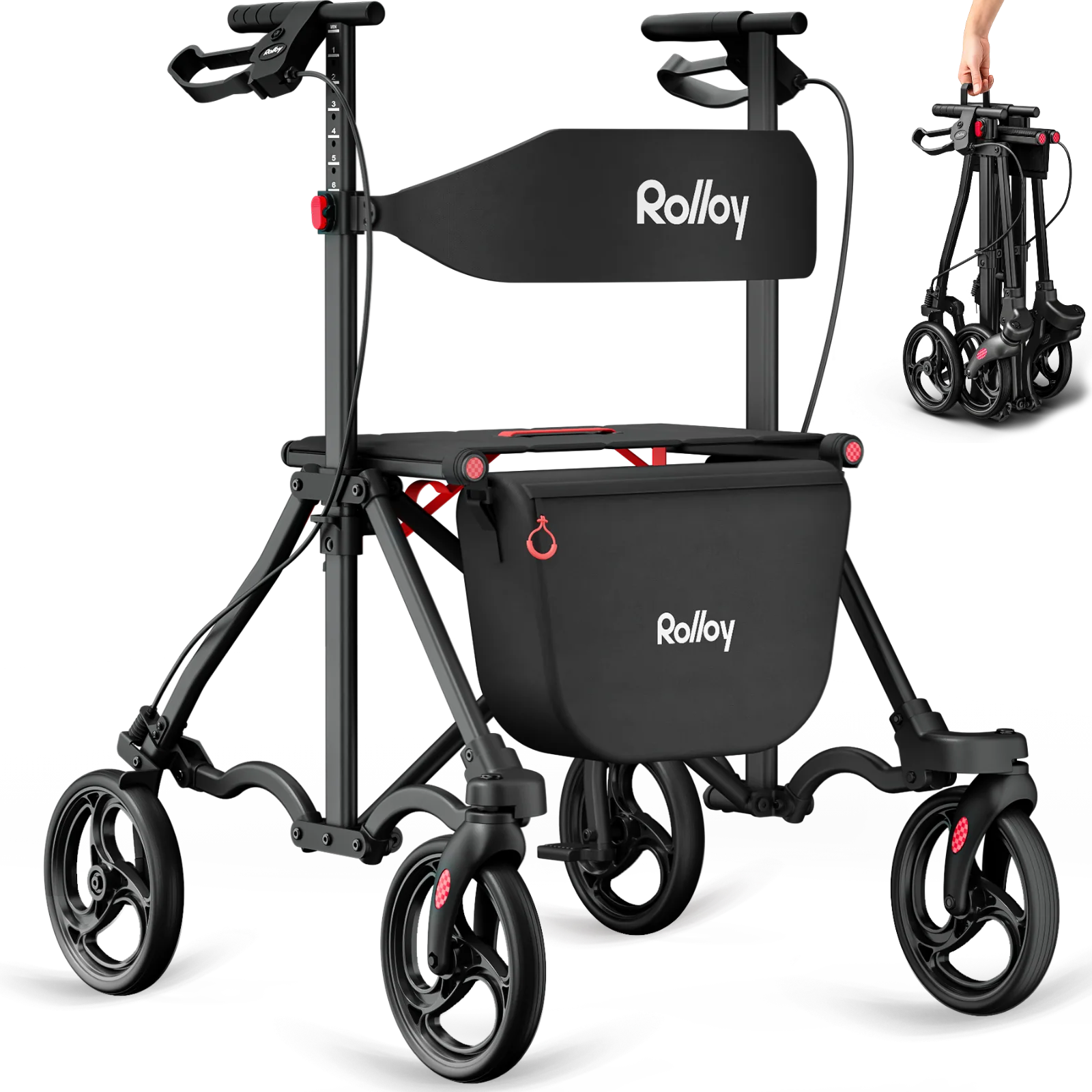
Modern mobility equipment focuses on comfort, convenience, and independence. A rollator walker with seat can help users move around their homes, visit stores, attend appointments, spend time outdoors, and participate in social activities with greater confidence. Many models also include hand brakes, adjustable handles, storage bags, baskets, and backrests, making them useful for a wide range of everyday situations.
For seniors and people with limited mobility, having dependable walking support can make regular routines more manageable. A rolling walker with a seat provides support while standing and walking, while its built-in seating area offers an opportunity to take a break whenever necessary. This combination makes the rollator different from many basic walking frames.
Comfortable Walking Support
A major advantage of a rollator walker with seat is its combination of movement and resting support. The wheels allow the walker to roll forward naturally as the user walks. This can make it easier to move through indoor spaces and across suitable outdoor surfaces without repeatedly lifting the frame.
Four-wheel rollators are particularly popular because they offer a stable design while remaining easy to maneuver. The user can hold the handles and guide the mobility walker in the desired direction. Many models also have ergonomic grips that make them comfortable to hold during extended use.
Adjustable handlebars are another useful feature. Users can position the handles at a suitable height, which can make the rollator more comfortable to control. Proper adjustment is important because an incorrectly positioned walker may make movement uncomfortable or encourage poor posture.
The braking system is equally important. Most modern rollators use hand-operated brakes that allow users to control movement and stop the walker when necessary. When using the built-in seat, the brakes should be engaged so the rollator remains stationary while the user rests.
The seat is one of the defining features of this mobility aid. A person may feel comfortable walking a short distance but become tired after spending more time outside. With a rollator walker with seat, the user can stop and rest instead of searching for a nearby chair or bench.
Many designs include padded seats and backrests for additional comfort. These features can be especially useful during shopping trips, outdoor walks, waiting periods, or visits to large public buildings. The ability to rest without leaving the walker behind can provide additional convenience throughout the day.
Storage also adds practical value. A rollator with basket or storage bag can provide space for personal belongings, small purchases, a phone, or other everyday items. This allows users to keep their hands available for controlling the walker.
Everyday Independence
A rollator walker with seat can support greater independence by making everyday movement more manageable. When mobility becomes difficult, people may reduce activities because they are concerned about fatigue or needing somewhere to sit. A rollator can provide both walking assistance and a convenient resting option.
For seniors, maintaining independence can be an important part of daily life. Simple activities such as walking around a shopping center, visiting relatives, going to an appointment, or spending time in a park may require additional support. A reliable rolling walker can help make these activities more comfortable.
The built-in seat is particularly useful during longer outings. Instead of planning every activity around the availability of chairs, users can take a break when they need one. This can make outdoor mobility and community activities more convenient.
A lightweight rollator with seat can be useful for people who regularly travel by car. Folding designs can often be made more compact for transportation and storage. This means users can take their mobility aid to different locations rather than depending on whether a suitable walker will be available at their destination.
Outdoor rollators with larger wheels can also provide a practical solution for people who spend time outside. Larger wheels may move more smoothly across suitable sidewalks and walking paths. A durable frame can provide dependable support during regular outdoor activities.
Indoor use is another important consideration. A compact rollator walker with seat can help users move through rooms, hallways, and other areas of the home. Choosing a suitable width and wheel design can make the mobility aid easier to maneuver in tighter spaces.
The storage compartment can further support independence. Carrying belongings while using a walking aid can be inconvenient, especially when both hands are needed for support. A basket or bag allows important items to remain within easy reach.
Practical Rollator Features
Different rollator walker with seat designs are available for different mobility needs. Some models focus on lightweight construction and easy transportation, while others are designed with stronger frames for users who want additional durability.
Weight is an important factor when choosing a mobility walker. A lightweight rollator may be easier to lift and place into a vehicle. This can be especially helpful for users who regularly travel or need to move their walker between different locations.
A heavy-duty rollator may be preferable for people who require a stronger frame or a larger seating area. The frame should provide appropriate support while remaining comfortable to maneuver. Selecting the correct size and weight capacity is important for the user's overall experience.
Wheel size can also influence performance. Smaller wheels can be convenient for indoor use and smooth flooring, while larger wheels can be more suitable for outdoor environments. People who regularly use their walker outside may prefer a design specifically intended for outdoor mobility.
Seat design is another consideration. A comfortable padded seat can make short breaks more enjoyable, while a backrest can provide additional support. The seating area should be appropriate for the user's size and intended use.
The braking system should feel easy to operate and respond properly. Users should become familiar with the brakes before relying on the seat. Securing the rollator before sitting is an important part of using the mobility aid safely.
Handle height should also be adjusted to suit the user. An ergonomic position can make the walker easier to control and may support a more comfortable posture. Adjustable handles make it easier for different users to find a suitable setup.
Storage design varies between models. Some rollators include small pouches, while others offer larger baskets or bags. The best choice depends on whether the walker will mainly be used for short indoor trips, shopping, outdoor activities, or longer outings.
Choosing the Right Design
Selecting the right rollator walker with seat involves considering the user's daily environment, mobility needs, comfort preferences, and transportation requirements. A walker that works well inside a home may not provide the same convenience outdoors, while a large outdoor model may be difficult to maneuver through narrow indoor spaces.
For primarily indoor use, a compact rollator can be easier to control around furniture and through doorways. For outdoor use, a model with larger wheels and a durable frame may provide better performance on suitable walking surfaces.
People who frequently travel may prefer a folding and lightweight rollator. Easy folding can simplify transportation and storage without removing the useful features of the walker.
Comfort should remain an important part of the decision. The handles, seat, backrest, frame, and brakes should all feel suitable for regular use. A mobility aid is more useful when the person feels comfortable and confident using it.
The rollator walker with seat should also match the user's lifestyle. Someone who enjoys shopping may value a large storage basket, while someone who spends time outdoors may prioritize larger wheels and a durable frame. A person who needs frequent breaks may place greater importance on a padded seat and supportive backrest.
Taking these factors into consideration can make it easier to find a mobility walker that provides practical support without unnecessarily complicating everyday routines.
Conclusion
A rollator walker with seat combines mobility support with the convenience of built-in seating, making it a practical choice for many people who need assistance while walking. Its wheels can make movement smoother, while features such as hand brakes, adjustable handles, storage compartments, padded seats, and backrests can improve everyday convenience.
Whether used at home, while shopping, during outdoor walks, or when traveling, the right rollator can help users remain active and independent. Lightweight folding models can provide easy transportation, while larger outdoor or heavy-duty designs can offer additional durability and support.
shell
ผู้เยี่ยมชม