
shell
ผู้เยี่ยมชม
Why Is Bangladesh Becoming a Trusted Hub for Global Apparel Manufacturing and Fashion Production? (24 อ่าน)
6 ก.ย. 2569 16:50
Bangladesh has become one of the most important destinations for international apparel sourcing and garment production. Fashion brands, retailers, wholesalers, private-label businesses, and ecommerce companies increasingly look toward the country when they need reliable manufacturing, competitive production costs, and large-scale apparel capabilities. For businesses searching for an apparel manufacturer Bangladesh, the country offers a well-established production ecosystem supported by experienced factories, skilled workers, textile suppliers, and export-oriented manufacturing facilities.
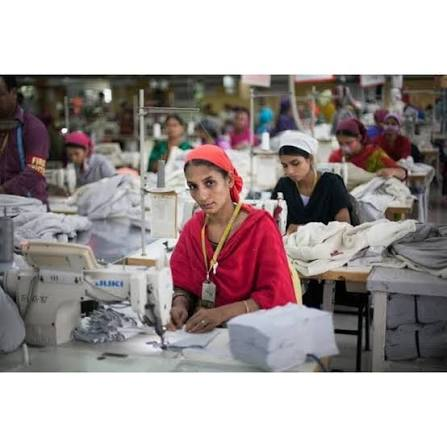
The Bangladeshi apparel industry is particularly recognized for producing ready-made garments for international markets. Manufacturers produce a wide range of products, including T-shirts, polo shirts, hoodies, sweatshirts, trousers, denim garments, shirts, jackets, uniforms, activewear, children's clothing, and fashion apparel. The industry has also developed capabilities in private-label clothing, custom garment manufacturing, fabric sourcing, embroidery, printing, washing, finishing, packaging, and international shipment preparation.
For companies planning to build or expand an apparel supply chain, working with an apparel manufacturer in Bangladesh can provide access to extensive industry experience and scalable production. However, choosing the right manufacturing partner requires an understanding of production capabilities, quality standards, customization options, communication, and delivery requirements.
Bangladesh Apparel Manufacturing and International Fashion Supply
The growth of Bangladesh's garment sector has created a strong foundation for international apparel production. Manufacturers in the country work with buyers from different global markets and understand the importance of meeting specific product, quality, packaging, and delivery requirements.
An experienced apparel manufacturer Bangladesh can manage several stages of garment production. Depending on the factory, services may include fabric sourcing, pattern development, cutting, sewing, washing, dyeing, printing, embroidery, finishing, inspection, packaging, and shipment coordination. This integrated approach can simplify sourcing for brands that want to manage multiple parts of their production through one manufacturing partner.
Bangladesh is especially well known for knitwear and woven apparel. Cotton T-shirts and polo shirts remain popular manufacturing categories, while hoodies, sweatshirts, casualwear, trousers, shirts, outerwear, and other fashion products are also widely produced. The country's manufacturing sector continues to adapt to changing consumer preferences and the growing demand for different apparel categories.
For international brands, production scale is another major consideration. Large apparel manufacturers can support substantial orders and recurring production schedules, making them suitable for retailers and established fashion companies. At the same time, some manufacturers offer solutions for emerging brands and private-label businesses that require more specialized production arrangements.
The country's established textile and garment supply chain also creates advantages for international buyers. Fabric mills, accessories suppliers, printing facilities, embroidery providers, packaging companies, and logistics services form an interconnected manufacturing ecosystem. This can make the sourcing process more efficient and provide manufacturers with access to the materials and services needed to complete apparel orders.
Advantages of Working With an Apparel Manufacturer Bangladesh
Competitive manufacturing costs are one of the major reasons businesses consider Bangladesh for apparel production. Production costs depend on factors such as fabric type, garment design, order quantity, customization, finishing, packaging, and quality requirements. Nevertheless, Bangladesh remains an important sourcing destination for companies seeking cost-effective garment production without moving away from established international manufacturing standards.
Another important advantage is manufacturing experience. Many factories have extensive experience working with international apparel buyers and understand the importance of consistent measurements, fabric specifications, stitching quality, color matching, labeling, packaging, and shipment deadlines. This experience can be particularly valuable for brands that are developing long-term relationships with overseas suppliers.
A professional Bangladesh apparel manufacturer can also support customized product development. Modern fashion brands often require garments that reflect their own identity rather than generic products. Manufacturers may work from technical packs, design sketches, samples, measurement charts, fabric specifications, or reference garments to create products according to a brand's requirements.
Private-label apparel manufacturing is another area where Bangladesh can be attractive. A private-label business can develop garments under its own brand name, using customized labels, tags, packaging, colors, fabrics, and designs. This approach is increasingly popular among ecommerce businesses and independent fashion brands that want greater control over their product identity.
Quality assurance is also central to successful apparel production. International buyers expect garments to maintain consistent construction, measurements, fabric quality, appearance, and finishing across large production runs. Reputable manufacturers establish quality-control procedures to identify production problems and reduce defects before garments are shipped.
Sustainability has become increasingly important in fashion manufacturing as brands and consumers pay greater attention to environmental and social responsibility. Some apparel factories in Bangladesh have invested in modern facilities, energy efficiency, responsible resource management, improved production systems, and sustainability initiatives. For brands with environmental goals, evaluating a manufacturer's sustainability practices can therefore be an important part of the supplier-selection process.
Custom Clothing and Private Label Production in Bangladesh
Custom apparel manufacturing allows businesses to turn original concepts into finished garments. A company may have a specific design for a T-shirt, hoodie, jacket, sportswear product, uniform, or fashion collection and require a factory capable of following precise technical specifications.
When working with an apparel manufacturer Bangladesh, product development generally begins with clear specifications. Fabric composition, garment measurements, colors, stitching details, trims, logos, labels, printing methods, embroidery, and packaging requirements can all influence the final product. Clear communication at this stage helps manufacturers understand exactly what the buyer expects.
Samples are particularly important for custom apparel. Before bulk production begins, brands can evaluate the physical sample to check the fit, fabric, construction, color, branding, and overall appearance. If adjustments are necessary, they can be discussed before the order moves into large-scale manufacturing.
Private-label clothing businesses can also benefit from Bangladesh's broad manufacturing capabilities. A growing fashion brand may start with a limited collection and later increase its order volumes as demand grows. A manufacturer capable of scaling production can support this progression while maintaining consistent product specifications.
For ecommerce brands, product consistency is especially important. Customers expect the clothing they receive to match product images and descriptions. Differences in sizing, fabric feel, color, stitching, or finishing can affect customer satisfaction and return rates. Working with an experienced manufacturer and maintaining clear quality standards can help businesses create a more reliable customer experience.
Communication between international buyers and manufacturers should remain clear throughout the production process. Product specifications, sample approvals, production timelines, packaging instructions, shipping requirements, and quality expectations should be documented carefully. This can reduce misunderstandings and make international apparel sourcing more manageable.
Choosing the Right Bangladesh Apparel Manufacturer
Selecting an appropriate manufacturing partner is one of the most important decisions in an international apparel sourcing strategy. Not every factory specializes in the same products or operates at the same production scale. A manufacturer experienced in basic knitwear may not necessarily be the best choice for technical sportswear, premium fashion garments, denim, or highly detailed products.
Businesses should first consider whether the manufacturer's capabilities match their specific product requirements. Production capacity, fabric sourcing options, customization capabilities, minimum order requirements, sample development, quality-control systems, and export experience can all influence the suitability of a supplier.
Production reliability should also receive significant attention. A low manufacturing price may appear attractive, but inconsistent quality or missed delivery schedules can create larger costs for a fashion business. Delayed products can affect seasonal launches, inventory availability, promotional campaigns, and customer orders.
An experienced apparel manufacturer in Bangladesh should be able to communicate clearly about production stages and expected timelines. Regular communication can help buyers understand the progress of sampling, material sourcing, bulk production, inspection, packaging, and shipment preparation.
Long-term supplier relationships can provide additional value. Once a manufacturer understands a brand's preferred fabrics, measurements, construction methods, packaging standards, and quality expectations, repeat production can become more efficient. Strong relationships can also support future product development and seasonal collections.
For international buyers, the goal should therefore be to identify a manufacturer that provides a balanced combination of quality, reliability, production capability, communication, customization, and competitive pricing. Choosing a supplier based solely on the lowest quotation may not produce the best long-term result.
Conclusion
Bangladesh has developed into a major center for international apparel production, providing global fashion businesses with extensive manufacturing capabilities and an established garment supply chain. An experienced apparel manufacturer Bangladesh can support everything from basic garment production to customized clothing, private-label collections, and large-scale international orders.
The country's manufacturing experience, competitive production environment, skilled workforce, supplier network, and growing focus on quality and sustainability make it an attractive option for fashion brands and apparel businesses. Whether a company is launching a new private-label clothing line or expanding an established retail operation, selecting the right manufacturing partner can play a major role in production success.
shell
ผู้เยี่ยมชม