
shell
ผู้เยี่ยมชม
Can an Electric Skateboard Kit Turn a Regular Board Into a Modern Electric Ride? (51 อ่าน)
19 ส.ค. 2569 23:06
An electric skateboard kit offers an interesting way to transform a compatible traditional skateboard or longboard into an electric-powered board. Instead of buying a completely assembled electric skateboard, riders can use a conversion system to add a motor, battery, electronic speed controller, and other essential components to an existing deck. This approach has become increasingly popular among people interested in DIY electric skateboards, customized personal transportation, and electric longboard projects.
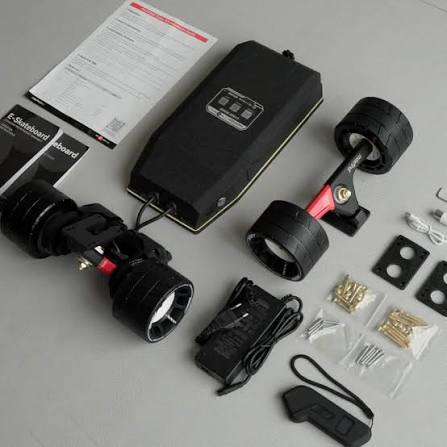
An electric skateboard conversion can provide greater flexibility because riders can select a setup that matches their preferred riding style. Some people want a lightweight board for short urban trips, while others may prefer a powerful configuration for hills and longer rides. With the right components and compatible hardware, an electric skateboard kit can provide a practical foundation for building a personalized electric ride.
Understanding the major components, compatibility requirements, performance characteristics, and maintenance considerations can help readers make better decisions when exploring electric skateboard conversion systems.
Electric Skateboard Kit Components and Design
An electric skateboard kit generally combines several electrical and mechanical components that work together to provide powered movement. Depending on the manufacturer, a kit may include a motor, motor mount, drivetrain components, electronic speed controller, battery, wiring, remote control, and mounting hardware.
The motor is responsible for converting electrical energy into mechanical movement. Electric skateboard kits commonly use hub motors or belt-drive motors. Hub motors are integrated into the wheel assembly, which creates a clean appearance and reduces the number of exposed mechanical components. Belt-drive motors use a motor pulley, belt, and wheel pulley to transfer power to the wheels.
Belt-drive systems are often attractive to riders interested in customization. Different wheel configurations and gear ratios may be possible depending on the kit design. Hub motors can be simpler and may require less visible mechanical maintenance. The appropriate system depends on the rider's preferences, intended terrain, and compatibility requirements.
The battery is another central part of an electric skateboard conversion kit. It stores the energy required to operate the motor and can significantly influence riding range. Battery capacity is commonly expressed in watt-hours, although real-world range depends on additional factors such as rider weight, speed, terrain, hills, temperature, and acceleration patterns.
The electronic speed controller, or ESC, manages communication between the battery and motor. It regulates acceleration and braking while helping the electrical system operate correctly. A reliable ESC can contribute to smoother power delivery and better control.
A wireless remote is typically used to control acceleration and braking while riding. Many modern systems also offer different riding modes, allowing users to select a more manageable setting depending on their experience and riding environment.
DIY Electric Skateboard Conversion
A DIY electric skateboard project can provide an opportunity to customize an existing board while learning about electric mobility technology. Rather than purchasing a complete board with predetermined specifications, the rider can build around a suitable deck and select components based on personal requirements.
Compatibility is one of the most important factors in a skateboard conversion. The motor mount needs to work with the trucks, the drivetrain must align correctly with the wheels, and the battery and ESC must be electrically compatible. The deck also needs enough available space for mounting the battery enclosure and other components.
An electric longboard kit can be particularly useful for larger longboard decks because longboards often provide more surface area for battery placement. A longer wheelbase can also create a stable riding platform, although the final characteristics depend on the complete configuration.
Deck material and flexibility can influence the finished board. Traditional skateboard decks may use maple, while some longboards use bamboo, fiberglass, carbon fiber, or composite materials. Different materials can provide different levels of stiffness, flexibility, durability, and vibration absorption.
Wheel selection is another important aspect of an electric skateboard conversion. Larger wheels can provide additional ground clearance and may feel more comfortable on imperfect pavement. However, wheel size must be compatible with the motor system, trucks, gearing, and deck clearance.
The assembly process should be approached carefully. Electrical connections, mechanical fasteners, motor alignment, battery mounting, and cable routing all need to be handled according to the manufacturer's instructions. A properly assembled system can provide better reliability, while poorly secured components can create mechanical or electrical problems.
Electric Skateboard Kit Performance and Range
Performance is a major reason riders consider an electric skateboard kit. Motor power, battery capacity, gearing, wheel size, rider weight, terrain, and drivetrain design all influence how the final board performs.
Motor output can affect acceleration and hill-climbing ability. Riders who regularly travel on inclines may need a setup with sufficient torque, while someone riding primarily on flat pavement may prefer a lighter configuration. Maximum motor power alone should not determine the choice because efficient power delivery and appropriate gearing also matter.
Battery capacity directly influences potential range. An electric skateboard battery kit with a larger capacity can support longer rides, but increased battery size can also add weight. Advertised range should be treated as an estimate because actual performance changes according to riding conditions.
Speed also affects battery consumption. Frequent acceleration and high-speed riding can reduce range compared with steady riding at moderate speeds. Hills, rough surfaces, heavy riders, and colder temperatures can also influence energy usage.
Belt-drive systems may provide useful flexibility for riders who want to experiment with wheel sizes or gear ratios. Hub motors may be attractive for those who prefer a simpler drivetrain. Each approach has advantages, and the best option depends on the intended application.
Weight is another factor that should not be overlooked. An electric skateboard conversion adds a motor, battery, ESC, enclosure, and mounting hardware to the original board. This means a converted board can be considerably heavier than the same board without electric components.
Choosing an Electric Skateboard Conversion Kit
Selecting an electric skateboard conversion kit starts with evaluating the existing skateboard. Deck size, truck style, wheel configuration, mounting space, and structural condition should all be considered before selecting a kit.
The riding environment should also influence the decision. A board intended for smooth city streets may require different specifications from a setup intended for hills or rough outdoor paths. Riders should select components that match their expected terrain instead of focusing only on advertised speed.
Build quality is another important consideration. The battery enclosure should protect the battery from ordinary environmental conditions, while motor mounts and other mechanical components should be strong enough for their intended use. Electrical wiring should be properly secured and protected from unnecessary movement or damage.
Budget planning is also useful. Although an electric skateboard kit can sometimes cost less than purchasing a complete premium electric skateboard, the overall project cost may increase if additional wheels, trucks, enclosures, tools, connectors, or replacement components are needed.
Maintenance should be considered before beginning a conversion. Belts, bearings, wheels, trucks, mounting hardware, connectors, and battery enclosures may require periodic inspection. Keeping these components in good condition can support reliable operation over time.
For beginners, a complete conversion kit from a reputable manufacturer may be easier to manage than purchasing every component individually. Experienced builders may prefer individual components because they provide greater freedom to customize motor performance, battery capacity, wheel selection, and board configuration.
Safety should remain a priority during both assembly and riding. Electrical components should be installed according to manufacturer specifications, and the completed board should be carefully checked before use. Riders should also become familiar with acceleration and braking in a controlled environment before riding in areas with traffic or uneven terrain.
Conclusion: Is an Electric Skateboard Kit a Good Conversion Option?
An electric skateboard kit can be a practical and customizable solution for people who want to transform a compatible skateboard into an electric-powered ride. Instead of purchasing an entirely new board, riders can build around an existing deck while selecting components that match their desired performance and riding style.
Motor type, battery capacity, ESC quality, drivetrain design, wheel size, deck compatibility, and overall build quality all contribute to the final result. A carefully matched electric skateboard conversion kit can provide a rewarding combination of customization and electric mobility.
shell
ผู้เยี่ยมชม