
shell
ผู้เยี่ยมชม
Looking for the Best Rivet Selection Guide to Build Stronger and Longer-Lasting Joints? (82 อ่าน)
26 ก.ค. 2569 16:50
Selecting the correct rivet is one of the most important decisions in any fastening project. A reliable rivet selection guide helps manufacturers, engineers, fabricators, and DIY professionals choose the right fastener for specific applications while ensuring strength, safety, and long-term durability. Rivets are widely used in industries such as aerospace, automotive, construction, electronics, marine engineering, and sheet metal fabrication because they create permanent joints that can withstand vibration, heavy loads, and harsh environmental conditions.
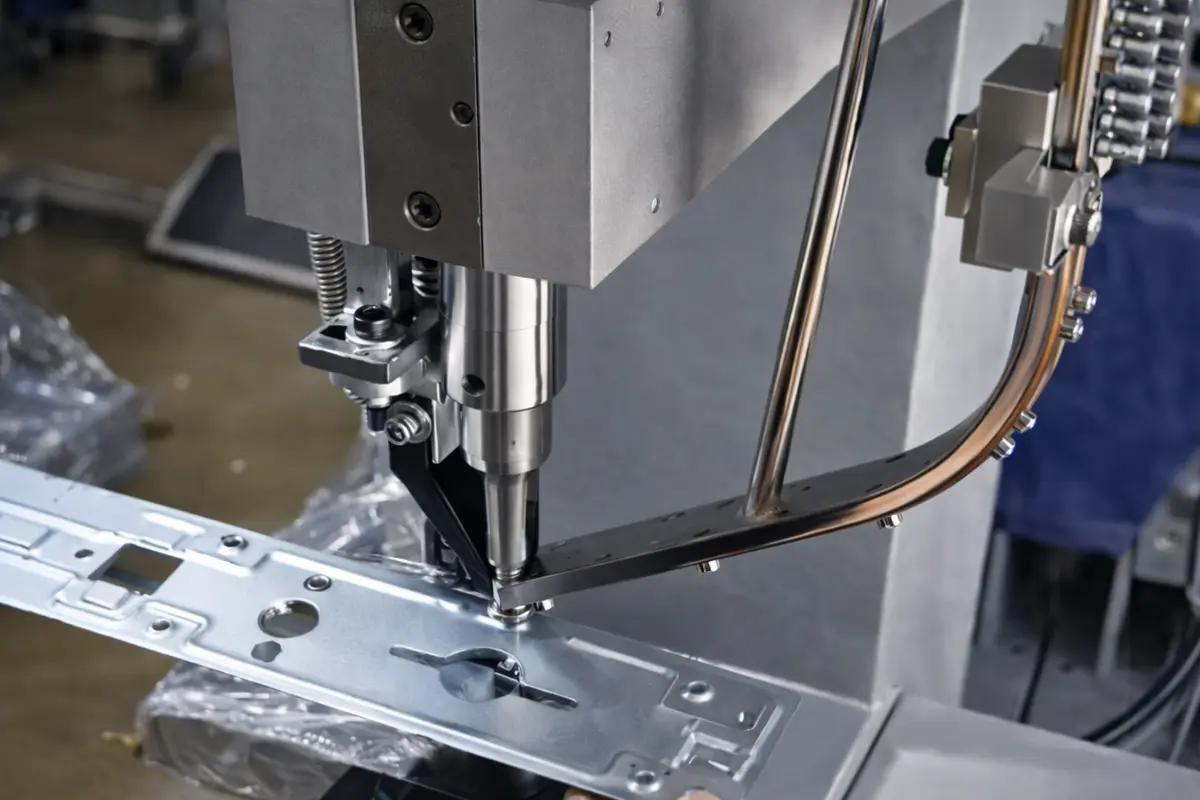
Every project has unique requirements, which means there is no universal rivet suitable for every application. Factors such as material type, rivet size, grip range, load capacity, environmental exposure, and installation method all influence fastening performance. Following a proper rivet selection guide allows professionals to reduce assembly errors, improve structural integrity, and increase the service life of finished products.
Modern fastening technology offers a wide variety of rivets, including blind rivets, solid rivets, semi-tubular rivets, tubular rivets, structural rivets, and stainless steel rivets. Each option provides specific advantages depending on the project requirements. Understanding these differences makes selecting the ideal fastening solution much easier while improving manufacturing efficiency and reducing maintenance costs.
Selecting the Correct Rivet for Every Project
A complete rivet selection guide always begins with understanding the materials being joined. Rivet material should be compatible with the workpiece to prevent corrosion and maintain long-term strength. Aluminum rivets are commonly selected for lightweight assemblies because they offer excellent corrosion resistance while reducing overall product weight. They are frequently used in transportation, electronics, HVAC systems, and aluminum fabrication.
Steel rivets provide exceptional mechanical strength and are ideal for heavy-duty construction, industrial machinery, and structural steel applications where maximum holding power is required. Stainless steel rivets combine high strength with outstanding resistance to moisture, chemicals, and corrosion, making them suitable for marine environments, food processing equipment, and outdoor installations. Copper rivets remain a preferred choice for decorative applications, leather products, and electrical components because of their attractive appearance and excellent conductivity.
Rivet size also plays an essential role in fastening quality. Selecting the correct diameter and grip range ensures that the rivet expands properly during installation and creates a secure connection without damaging the surrounding material. Proper rivet sizing improves tensile strength, shear resistance, and overall joint stability, particularly in applications exposed to vibration or repeated mechanical stress.
The installation process should also be considered when choosing rivets. Manual rivet guns work well for small repair jobs, while pneumatic and hydraulic riveters are commonly used in industrial production lines where speed, consistency, and precision are essential. Selecting rivets designed for the available installation equipment helps improve productivity and reduces installation defects.
Matching Rivet Types with Application Needs
An effective rivet selection guide also considers the specific working environment and performance expectations. Blind rivets are among the most versatile fastening solutions because they can be installed when only one side of the workpiece is accessible. This makes them highly popular in automotive assembly, ventilation systems, household appliances, and sheet metal fabrication.
Solid rivets remain the industry standard for aircraft manufacturing and structural engineering because they deliver superior strength and long-term reliability under heavy loads. Semi-tubular rivets require less installation force while still providing secure fastening, making them suitable for furniture manufacturing, consumer products, and light mechanical assemblies. Structural rivets are engineered for demanding environments where maximum strength and vibration resistance are required, including bridges, transportation equipment, and industrial machinery.
Environmental conditions have a significant influence on rivet performance. Outdoor installations require corrosion-resistant materials capable of handling moisture, rain, saltwater, and changing temperatures. High-temperature applications demand rivets that maintain structural integrity without losing strength under continuous heat exposure. Chemical processing facilities often require stainless steel or specialized alloy rivets that resist aggressive chemicals and harsh industrial environments.
Load-bearing requirements are equally important during rivet selection. Engineers evaluate tensile strength, shear strength, fatigue resistance, and vibration tolerance before selecting fastening systems. Choosing rivets capable of handling expected mechanical stresses prevents joint failure while improving safety and reducing maintenance throughout the product lifecycle.
Improving Performance Through Smart Rivet Selection
Following a professional rivet selection guide allows manufacturers to improve production quality while minimizing long-term operating costs. Proper rivet selection reduces assembly errors, decreases material waste, and creates stronger permanent joints capable of performing reliably for many years. Whether producing aircraft components, automotive panels, heavy machinery, metal enclosures, or consumer products, selecting the appropriate rivet contributes directly to product quality and customer satisfaction.
Advancements in manufacturing technology continue to improve rivet design through stronger materials, better corrosion resistance, and enhanced installation methods. Modern fastening systems support automated production while maintaining consistent quality across large manufacturing volumes. High-performance rivets also contribute to lightweight product designs without sacrificing mechanical strength, making them increasingly valuable across numerous industries.
Carefully evaluating material compatibility, installation requirements, joint design, environmental exposure, and structural demands allows engineers and fabricators to select fastening solutions that meet both technical specifications and long-term performance goals. A thoughtful rivet selection process improves efficiency while ensuring every connection remains secure throughout its intended service life.
Conclusion
A dependable rivet selection guide is essential for creating durable, safe, and high-quality permanent joints across countless industrial and commercial applications. Choosing the right rivet involves understanding material compatibility, rivet type, grip range, installation method, environmental conditions, and load requirements rather than focusing on a single feature. When every factor is carefully evaluated, the result is stronger fastening performance, greater reliability, lower maintenance costs, and longer-lasting products. By applying the principles of a comprehensive rivet selection guide, manufacturers and professionals can confidently build assemblies that deliver outstanding performance in even the most demanding environments.
shell
ผู้เยี่ยมชม