
shell
ผู้เยี่ยมชม
Is the China Laos Railway Creating a New Era of Trade, Tourism, and Economic Growth Across Southeast Asia? (106 อ่าน)
11 มิ.ย. 2569 19:00
The China Laos railway is one of the most significant transportation and infrastructure projects developed in Southeast Asia in recent years. Connecting Kunming in China’s Yunnan Province with Vientiane, the capital of Laos, this modern railway corridor has transformed regional connectivity and opened new opportunities for trade, investment, tourism, and economic development. Since becoming operational, the railway has attracted global attention for its ability to reduce transportation costs, improve logistics efficiency, and strengthen economic ties between neighboring countries.
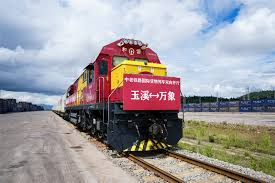
As a major cross-border railway network, the China Laos railway serves as an important transportation link that enhances the movement of both passengers and freight. The project has contributed to regional integration while helping Laos strengthen its position as a strategic transit hub in Southeast Asia. With growing trade volumes and increasing passenger demand, the railway continues to play a crucial role in shaping the future of regional commerce and connectivity.
China Laos Railway and Regional Connectivity
The development of the China Laos railway has significantly improved transportation links between China and Laos. Before the railway was constructed, road transport was the primary method for moving goods and passengers between the two countries. This often resulted in longer travel times, higher transportation expenses, and logistical challenges. The introduction of a modern railway system has changed this situation by providing a faster, safer, and more efficient transportation option.
The railway stretches over one thousand kilometers and passes through mountains, tunnels, and bridges, demonstrating advanced engineering capabilities. It connects important economic centers and creates a direct transportation route that supports regional trade and mobility. The improved connectivity has encouraged stronger business cooperation and increased interaction among communities located along the railway corridor.
The China Laos railway is also viewed as a key component of broader Asian transportation networks. Many experts believe that it could eventually become part of an extensive railway system linking multiple countries throughout Southeast Asia. Such developments could further strengthen regional economic integration and create new opportunities for international trade and investment.
Economic Benefits of the China Laos Railway
The economic impact of the China Laos railway has been substantial. One of its most important contributions is the improvement of cross-border trade. Businesses can now transport products more efficiently between China and Laos, reducing delivery times and lowering logistics costs. This enhanced efficiency benefits exporters, importers, manufacturers, and consumers alike.
Laos has particularly benefited from improved market access. Agricultural products such as fruits, vegetables, and other goods can be transported to Chinese markets more quickly, helping maintain product quality and increasing export potential. At the same time, Chinese products can reach Lao consumers and businesses with greater speed and reliability.
The railway has also encouraged investment in logistics centers, industrial zones, warehousing facilities, and supporting infrastructure. Investors are increasingly recognizing the economic opportunities created by improved transportation networks. As a result, new businesses and commercial developments have emerged in areas located near major railway stations.
Employment generation represents another significant benefit. Construction activities created thousands of jobs, while railway operations continue to support employment in transportation, logistics, tourism, hospitality, and related sectors. These opportunities contribute to economic growth and improved living standards for local communities.
Tourism Development Along the Railway Corridor
Tourism has experienced notable growth due to the China Laos railway. Improved accessibility has made it easier for travelers to visit destinations in both China and Laos. Modern passenger services offer greater comfort and convenience, encouraging domestic and international tourism throughout the region.
Laos is well known for its cultural heritage, historic landmarks, natural beauty, and scenic landscapes. The railway has enabled more tourists to explore these attractions by reducing travel times and simplifying transportation. Popular destinations are becoming increasingly accessible to visitors seeking cultural experiences and adventure tourism opportunities.
The growth of tourism has generated positive economic effects for local businesses. Hotels, restaurants, transportation providers, tour operators, and retail establishments have benefited from increased visitor numbers. This expansion supports local economies and creates additional opportunities for entrepreneurship and business development.
The railway also promotes cultural exchange between the people of China and Laos. Increased travel encourages greater understanding, stronger relationships, and enhanced cooperation between communities. These social benefits complement the economic advantages created by improved transportation connectivity.
Future Prospects of the China Laos Railway
The future outlook for the China Laos railway remains highly promising. As trade volumes continue to grow and passenger demand increases, the railway is expected to become even more important for regional economic development. Ongoing infrastructure improvements and expanding logistics services will likely enhance its effectiveness and competitiveness.
Many analysts view the railway as a foundation for broader transportation integration throughout Southeast Asia. Future connections with neighboring countries could create an extensive railway network supporting international trade, tourism, and investment. Such developments would strengthen economic cooperation and contribute to long-term regional prosperity.
Technological advancements and improved logistics systems are expected to further increase the efficiency of railway operations. Businesses will continue to benefit from reliable transportation services, while travelers will enjoy faster and more convenient journeys. These factors position the China Laos railway as a key driver of sustainable economic growth in the coming years.
The railway's strategic importance extends beyond transportation. It supports regional development goals by improving connectivity, encouraging investment, promoting tourism, and facilitating international cooperation. As economic activity continues to expand along the railway corridor, its role in shaping Southeast Asia’s future will become increasingly significant.
Conclusion
The China Laos railway has become a transformative infrastructure project that is reshaping trade, transportation, tourism, and economic development across Southeast Asia. By connecting Kunming and Vientiane through a modern rail network, it has improved logistics efficiency, strengthened cross-border commerce, expanded tourism opportunities, and encouraged regional integration. The railway continues to generate economic benefits for businesses and communities while supporting long-term development objectives. As connectivity grows and trade relationships deepen, the China Laos railway is expected to remain a vital transportation corridor and an important catalyst for regional prosperity in the years ahead.
shell
ผู้เยี่ยมชม