
shell
ผู้เยี่ยมชม
Are Fire Pipes Essential for Modern Building Safety Systems? (77 อ่าน)
16 พ.ค. 2569 03:00
Fire pipes are one of the most critical components in modern fire protection and building safety systems. They form the core network that transports water, foam, or other fire suppression agents throughout residential, commercial, and industrial structures. Without a properly designed fire piping system, even the most advanced fire detection systems would fail to control or suppress flames effectively. In today’s construction industry, fire pipes are considered a mandatory safety infrastructure element that ensures rapid response during emergencies and helps minimize damage to life and property.
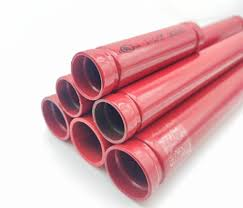
Fire pipes are widely used in fire sprinkler systems, hydrant systems, standpipe systems, and industrial fire suppression networks. Their role is to deliver a continuous and reliable water supply to firefighting equipment at the exact moment it is needed. Because fire situations escalate quickly, the performance of fire pipes directly impacts the effectiveness of the entire fire protection system.
Fire Pipes in Modern Infrastructure
In modern infrastructure, fire pipes are integrated into nearly every type of building, from high-rise apartments and shopping malls to warehouses, factories, hospitals, and data centers. These fire protection pipes are strategically installed within walls, ceilings, and service shafts to ensure that water distribution is immediate and efficient during emergencies.
The fire pipe network connects to a central water supply system, often supported by fire pumps, tanks, and control valves. When a fire occurs, the system activates automatically or manually depending on the design, allowing water to flow through the fire piping system and reach sprinklers or hydrants. This rapid response system plays a crucial role in controlling fire spread before it becomes uncontrollable.
Modern construction standards emphasize the importance of fire pipe installation as part of overall building safety compliance. International codes such as NFPA guidelines and local building regulations require fire pipes to be included in almost all commercial and industrial projects. These systems are not only designed for emergency response but also for long-term reliability and consistent performance under pressure.
Fire Pipe Materials and Engineering Standards
The performance of fire pipes largely depends on the materials used in their manufacturing. Steel fire pipes are the most commonly used due to their high strength, durability, and ability to withstand extreme pressure conditions. Galvanized steel pipes are also widely used in fire protection systems because of their enhanced resistance to corrosion and rust, making them suitable for long-term installation in humid or harsh environments.
Copper fire pipes are used in specialized applications where smooth internal surfaces and corrosion resistance are required. In recent years, CPVC fire pipes have become popular in residential and light commercial fire sprinkler systems due to their lightweight structure, cost efficiency, and ease of installation. Each material is selected based on building type, risk level, and system requirements.
Engineering standards play a vital role in ensuring fire pipe safety and performance. Fire piping systems must comply with strict regulations such as NFPA 13, ASTM standards, and local fire safety codes. These standards define requirements for pipe thickness, pressure tolerance, joint integrity, and hydraulic performance. A properly engineered fire pipe system ensures balanced water flow, preventing pressure loss and ensuring that all connected sprinkler heads and hydrants function efficiently.
The quality of fittings, couplings, and valves used in fire pipe systems is equally important. Welded, threaded, and grooved connections must be installed with precision to prevent leakage and maintain system integrity. Even a minor defect in a fire pipe connection can compromise the entire fire suppression system during critical moments.
Fire Pipe System Design and Performance
Fire pipe system design is a highly technical process that involves hydraulic calculations, pressure analysis, and flow distribution planning. A well-designed fire piping system ensures that water reaches all designated points with sufficient pressure and volume. Engineers carefully design pipe layouts to minimize resistance and maximize efficiency across the entire network.
In large buildings, fire pipe systems are divided into multiple zones to ensure controlled water distribution. This zoning approach allows only the affected area to activate during a fire event, reducing unnecessary water damage in other parts of the building. Fire pipes are connected to sprinklers, hydrants, and standpipes in a structured network that ensures immediate response.
The performance of fire pipes is also influenced by water supply stability and pump capacity. Fire pumps are designed to maintain consistent pressure throughout the system, ensuring that fire pipes deliver water effectively even in high-rise structures where elevation can affect pressure levels. Hydraulic efficiency is a key factor in ensuring that the fire pipe system performs reliably under emergency conditions.
Advanced fire protection systems now incorporate smart monitoring technologies that track pressure levels, detect leaks, and ensure system readiness. These innovations enhance the reliability of fire pipes and reduce the risk of system failure during critical situations.
Fire Pipe Maintenance and Long Term Reliability
Long-term reliability of fire pipes depends heavily on regular maintenance and inspection. Over time, fire piping systems may be affected by corrosion, sediment buildup, or mechanical wear. Routine inspection ensures that any potential issues are identified early and resolved before they compromise system performance.
Corrosion is one of the most common challenges in fire pipe systems, especially in steel-based installations. Protective coatings, galvanization, and internal treatments are used to extend pipe lifespan. Regular water flow testing is essential to ensure that fire pipes remain unobstructed and capable of delivering the required water pressure.
Maintenance of fire pipe systems also includes checking valves, joints, and sprinkler connections for leaks or damage. Pressure testing is conducted periodically to verify system integrity and ensure compliance with safety standards. In industrial environments, where fire risks are higher, maintenance schedules are more frequent and strictly regulated.
Environmental conditions also influence the durability of fire pipes. Exposure to moisture, chemicals, or extreme temperatures can affect pipe performance over time. Proper installation practices, including secure mounting and correct alignment, help prevent stress damage and extend system life.
Conclusion Fire Pipes as a Critical Safety Infrastructure
Fire pipes are a fundamental element of modern fire protection systems, playing an essential role in safeguarding buildings, infrastructure, and human life. Their ability to deliver rapid and reliable water flow during emergencies makes them indispensable in both residential and industrial environments.
From material selection and system design to installation quality and ongoing maintenance, every aspect of a fire pipe system contributes to its overall effectiveness. As construction standards continue to evolve, the demand for efficient and durable fire piping systems continues to grow.
shell
ผู้เยี่ยมชม