
shell
ผู้เยี่ยมชม
Could a Garage Vacuum Make Your Garage Cleaner, Safer, and More Organized? (6 อ่าน)
13 ก.ย. 2569 00:38
A garage vacuum can be a valuable addition to any home garage, workshop, or vehicle maintenance area. Garages often experience much more dirt and debris than ordinary indoor rooms because they are exposed to vehicles, outdoor dust, tools, gardening equipment, repair projects, and changing weather conditions. Concrete floors can quickly collect sand, leaves, mud, sawdust, metal particles, and other debris that are difficult to remove with a regular household vacuum.
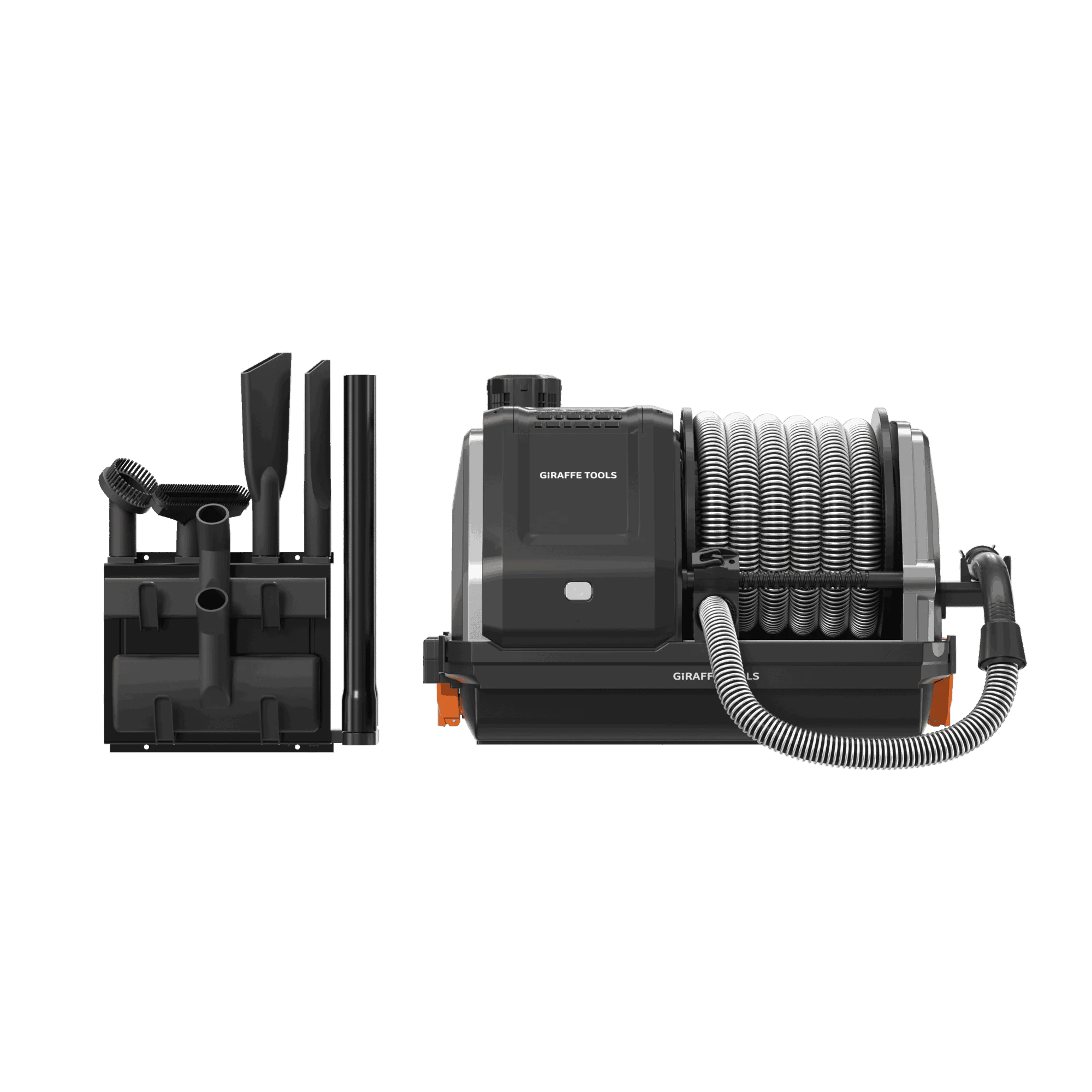
A dedicated garage vacuum is designed to handle these demanding cleaning conditions. Many models combine strong suction with a durable collection container, flexible hose, useful attachments, and convenient storage features. Some wet dry vacuum systems can also handle suitable liquid spills, providing additional flexibility for garages and workshops.
For homeowners, mechanics, DIY enthusiasts, and car owners, investing in the right garage vacuum can make routine cleaning faster and more convenient. Instead of allowing dirt and debris to accumulate, users can quickly clean the garage floor, workbench, vehicle interior, and other areas whenever necessary.
Garage Vacuum Features and Cleaning Performance
The design of a garage vacuum is generally focused on durability, suction performance, capacity, and versatility. Unlike a conventional household vacuum, a shop vacuum or garage cleaning vacuum is typically intended for larger particles and tougher environments.
A strong motor can provide the suction needed to collect dirt, gravel, sand, leaves, sawdust, and other suitable debris. This makes a garage vacuum particularly useful on concrete floors, rubber mats, work surfaces, and vehicle interiors. The exact cleaning performance depends on the motor, airflow, suction system, hose design, filtration, and accessories.
Collection capacity is another important consideration. Garages can accumulate substantial amounts of debris, especially when repair work or DIY projects are performed regularly. A large-capacity shop vacuum can collect more material before it needs to be emptied, making it convenient for larger cleaning sessions.
A smaller garage vacuum may be preferable for people who have limited storage space or only need occasional cleaning. Compact models can still provide useful suction while being easier to carry and store. The ideal size depends on the amount of debris generated and the available space in the garage.
Hose length can also influence usability. A longer flexible hose allows users to reach corners, shelves, vehicles, workbenches, and other areas without constantly moving the main vacuum unit. This can make cleaning more efficient, especially in larger garages.
Many models come with different attachments designed for particular surfaces. A floor nozzle can help cover larger areas, while a crevice attachment can reach narrow gaps. Vehicle accessories can make the same machine useful for cleaning seats, carpets, floor mats, trunks, and other parts of a car.
Garage Vacuum for Cars and Workshop Projects
A garage vacuum for car cleaning can be especially useful for vehicle owners who regularly maintain their cars at home. Vehicle interiors naturally collect dust, sand, leaves, food particles, pet hair, and other debris. A powerful vacuum can help remove these materials from carpets, seats, floor mats, storage compartments, and difficult-to-reach areas.
A long hose makes vehicle cleaning more convenient because the main vacuum can remain in one location while the user moves around the vehicle. This is particularly helpful when cleaning larger vehicles such as SUVs, vans, and pickup trucks.
A garage vacuum can also support regular DIY and workshop activities. Cutting wood, sanding surfaces, drilling materials, repairing equipment, and other projects can create considerable amounts of dust and debris. Cleaning the workspace after each project helps maintain a more organized environment and can make future projects more comfortable.
For woodworking enthusiasts, a garage vacuum for sawdust can be useful for collecting appropriate wood particles. However, very fine dust may require specialized filtration or dedicated dust collection equipment. Users should always check the manufacturer's specifications before using a vacuum for particular materials.
Mechanics and hobbyists can also benefit from a wet dry shop vacuum. Suitable liquid spills, dirt, dust, and larger debris can sometimes be handled by the same machine when it is specifically designed for wet and dry pickup. This versatility can make a wet dry garage vacuum a practical option for busy workspaces.
Garage Vacuum Storage and Maintenance
Storage plays an important role in the overall convenience of a garage vacuum. Garages often have limited space because vehicles, tools, shelves, bicycles, and equipment already occupy much of the available area. A wall-mounted garage vacuum can help keep the main unit off the floor while making it readily accessible.
Portable shop vacuums can also be convenient because they can be moved between the garage, driveway, workshop, and other areas. Models with wheels and comfortable handles can make larger machines easier to transport.
Hose management should not be overlooked. A long hose is useful during cleaning, but leaving it across the floor can create clutter and potential tripping hazards. Properly storing the hose after use can help protect it from unnecessary bending, crushing, or accidental damage.
Regular maintenance can help preserve suction performance. Filters should be cleaned or replaced according to the manufacturer's instructions. This is particularly important when the machine is used frequently for dusty projects. A clogged filter can restrict airflow and reduce the effectiveness of the vacuum.
The collection container should also be emptied regularly. Excessive debris can reduce available capacity and make the vacuum more difficult to clean. Hoses and attachments should be checked for blockages, while seals and connections can be inspected for signs of wear.
For users who frequently handle fine particles, filtration quality deserves particular attention. A suitable filter can help manage fine dust more effectively, but different applications may require different filtration systems. Selecting a vacuum based on the type of material being collected is therefore important for both performance and proper equipment use.
Choosing the Right Garage Vacuum
Choosing the best garage vacuum depends on the size of the garage, the type of cleaning required, storage space, and frequency of use. A homeowner who mainly needs to clean a car and remove ordinary garage dirt may prefer a compact shop vacuum with useful vehicle attachments.
A busy workshop may require a larger-capacity vacuum with stronger suction, durable construction, improved filtration, and a longer hose. Users who regularly encounter suitable liquid spills may prefer a wet dry garage vacuum for additional versatility.
Wall-mounted systems can be ideal when floor space is limited. They can provide quick access while keeping the garage floor relatively clear. Portable models are better suited to users who need to move the vacuum frequently between different areas.
Noise is another factor worth considering. Powerful garage vacuums can produce noticeable motor noise, particularly during extended cleaning sessions. A model with suitable noise control may be more comfortable for users who frequently work in enclosed garages.
Accessories and replacement parts can also influence long-term value. A versatile garage vacuum becomes more useful when compatible hoses, filters, nozzles, extension tubes, and vehicle attachments are readily available. Reliable warranty support and accessible replacement components can also make ownership easier.
Rather than focusing only on the highest advertised suction rating, buyers should consider the complete combination of suction, airflow, capacity, filtration, hose reach, durability, portability, accessories, and storage design. The best garage vacuum is the one that matches the user's regular cleaning requirements.
Conclusion
A garage vacuum can make maintaining a clean and organized garage significantly easier. With strong suction, a durable collection system, flexible hoses, and specialized attachments, it can handle many of the dirt and debris challenges that come with vehicle ownership, DIY projects, repairs, and everyday garage use.
From cleaning concrete floors and removing sawdust to maintaining vehicle interiors and handling suitable wet spills, a garage vacuum can offer valuable versatility. Wet dry models can provide additional functionality, while wall-mounted systems can help save valuable floor space.
shell
ผู้เยี่ยมชม