
shell
ผู้เยี่ยมชม
Could Compact Walkers Make Everyday Mobility Easier, Safer, and More Convenient? (72 อ่าน)
20 ส.ค. 2569 01:23
Compact walkers are becoming a practical choice for people who want dependable walking support without dealing with a large or difficult-to-store mobility aid. Designed with portability and maneuverability in mind, compact walkers can be useful at home, during shopping trips, while traveling, and during everyday outdoor activities. Their space-saving construction can make them especially appealing for people living in smaller homes or those who frequently transport their mobility equipment.
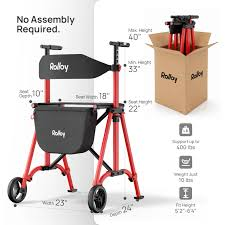
Modern compact walkers are available in several styles, including lightweight walkers, folding walkers, narrow walkers, rolling walkers, and compact rollators. Some models are designed primarily for stability, while others include wheels, hand brakes, seats, backrests, and storage compartments. The ideal choice depends on individual mobility requirements, comfort preferences, and the environments where the walker will be used.
Selecting compact walkers should involve more than simply choosing the smallest available model. Stability, frame construction, weight capacity, handle height, wheel design, braking performance, and ease of transportation can all affect everyday usability. A well-chosen walker can provide useful support while remaining convenient to handle and store.
Compact Walkers for Everyday Mobility
Compact walkers are designed to balance walking assistance with a space-efficient structure. In a home with narrow hallways, small rooms, or limited storage, a smaller mobility aid may be easier to maneuver than a larger traditional walker. A narrow walker can also make it easier to pass through suitable doorways and move around furniture.
A lightweight compact walker can be especially convenient for transportation. Seniors, caregivers, and other users may need to place the walker inside a vehicle regularly, and a manageable frame can make this task easier. Folding compact walkers offer another advantage because their frames can be folded for storage or transportation.
Some compact walkers are designed with two front wheels, while compact rollators commonly feature four wheels. A four-wheel walker may provide smoother movement on appropriate surfaces, while hand brakes can give users greater control when slowing or stopping. Anyone using a rolling walker should become familiar with the braking system before relying on it during daily activities.
For indoor mobility, dimensions are particularly important. A compact walker should be narrow enough for the spaces where it will be used while still providing appropriate stability. Users should measure doorways, hallways, and other areas when necessary rather than assuming that every compact model will fit comfortably.
Features of Modern Compact Walkers
Modern compact walkers often include features designed to improve convenience and comfort. Adjustable handles are useful because users can set the handle height within the manufacturer's recommended range. Proper adjustment can support a more comfortable posture and make the walker easier to control.
A compact walker with seat can provide an additional resting option for users who become tired during longer outings. A rollator with seat allows the user to stop and rest when the walker is stationary and the brakes are securely engaged. Some models include padded seats and backrests, which can make short rest periods more comfortable.
Storage is another useful feature. A compact rollator with basket or storage pouch can provide space for lightweight personal belongings. This can be helpful during shopping trips, appointments, or outdoor activities because the user does not need to carry every small item by hand. Storage compartments should always be used according to the manufacturer's weight recommendations.
Wheel design also influences performance. Small wheels can be convenient for smooth indoor surfaces, while larger wheels may be better suited to certain outdoor environments. The correct choice depends on where the compact walker will be used most often.
Weight capacity should also receive careful attention. Every mobility aid has a specified maximum weight limit. Choosing a walker with an appropriate capacity helps ensure that the equipment is suitable for the intended user. Heavy-duty compact walkers are available for people who need a stronger frame without choosing a particularly large mobility aid.
Compact Walkers for Travel and Small Spaces
Portability is one of the main reasons people consider compact walkers. A folding walker can often be stored more conveniently in a vehicle, closet, or other limited space. This can be particularly useful for people who regularly travel to medical appointments, visit family, go shopping, or participate in community activities.
Compact walkers can also be helpful in apartments and smaller houses. Their reduced dimensions may make navigation easier in tight spaces, although users should still select a model that offers the level of support they require. A very small design is not automatically the best choice if it compromises comfort or stability.
For outdoor use, a compact rollator with larger wheels may provide greater convenience on suitable paved surfaces. Reliable hand brakes are also important for controlled stopping. However, users should follow the manufacturer's recommendations regarding terrain and should avoid surfaces that are unsuitable for their specific walker.
Travel-friendly compact walkers can also benefit caregivers. A lightweight folding model may be easier to lift, transport, and store. This can reduce the practical challenges associated with taking a mobility aid to different locations.
For seniors, compact walkers can offer a useful balance between support and portability. A senior walker should be selected according to the individual's mobility needs, balance, strength, environment, and ability to operate the device safely. When there is uncertainty about the appropriate design, a qualified healthcare or mobility professional can provide personalized guidance.
Safe Use and Maintenance of Compact Walkers
Proper use is an important part of getting dependable performance from compact walkers. Before regular use, users should become familiar with the walker's frame, wheels, brakes, handles, and folding or locking mechanisms. Adjustable components should be positioned according to the manufacturer's instructions.
For rolling walkers and rollators, users should practice controlling the walker in a suitable environment before using it for longer outings. The brakes should be checked regularly, and any unusual difficulty with stopping or steering should be addressed promptly.
If a compact walker includes a seat, the walker should be fully stopped before sitting. The brakes should be engaged securely, and the walker should be placed on a stable surface. The seat should not be used while the walker is moving.
Routine inspection can also help maintain performance. Wheels should move smoothly, handles should remain secure, and the frame should not show signs of damage. Folding mechanisms and locking parts should operate correctly. Following the manufacturer's maintenance instructions can help keep the mobility aid in suitable working condition.
Users should also avoid exceeding the recommended weight capacity or overloading storage compartments. A compact design is intended to provide convenience, but it still needs to be used according to its specifications.
Conclusion
Compact walkers can provide an effective combination of mobility support, portability, and space-saving convenience. Their smaller designs can make them useful for homes with limited space, travel, shopping, appointments, and everyday activities. Options such as lightweight walkers, folding walkers, narrow walkers, and compact rollators allow users to choose a design that matches their individual requirements.
When selecting compact walkers, it is important to consider stability, dimensions, weight capacity, handle adjustment, wheel size, braking performance, comfort, and portability. A compact walker with seat may provide additional flexibility for users who need regular rest, while a lightweight folding walker can be particularly convenient for transportation.
shell
ผู้เยี่ยมชม