
shell
ผู้เยี่ยมชม
Can Wireless Presentation Systems Transform Modern Meetings, Classrooms, and Business Presentations? (131 อ่าน)
3 ส.ค. 2569 00:45
Modern workplaces and educational environments increasingly depend on digital communication. Presentations, meetings, training sessions, workshops, and classroom lessons all require an effective way to display information clearly to an audience. Wireless presentation systems have emerged as a practical technology for sharing content from laptops, tablets, and smartphones to larger displays without relying entirely on traditional cables.
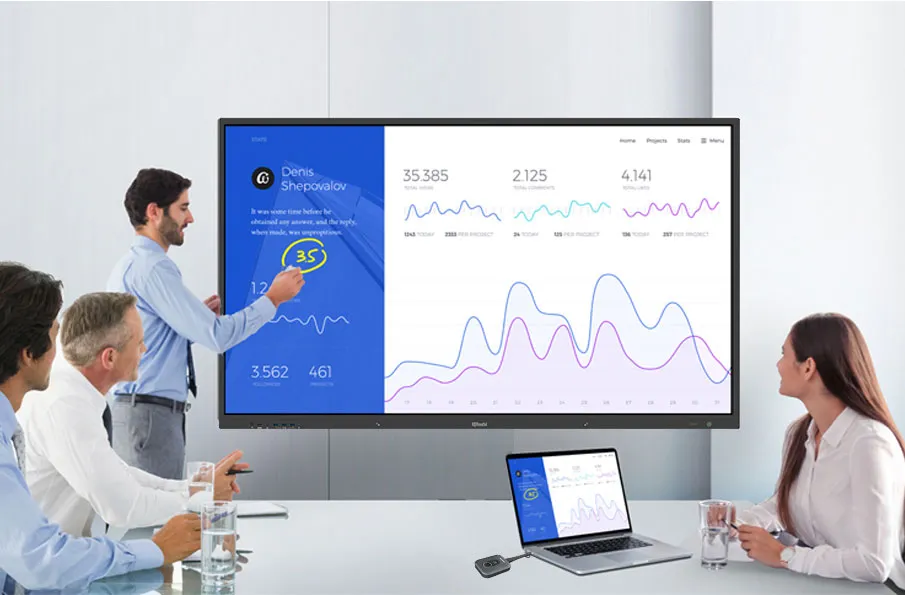
A wireless presentation system can make it easier for multiple people to share presentations, documents, videos, websites, and other digital content from their own devices. Instead of connecting and disconnecting HDMI or other physical cables whenever a new presenter takes control, users can connect through a compatible wireless network or dedicated presentation technology. This creates a cleaner, more flexible, and more collaborative presentation environment.
The growing popularity of hybrid work, smart meeting rooms, interactive classrooms, and digital collaboration has increased interest in wireless presentation solutions. Businesses and educational institutions are looking for technology that can save setup time while making meetings and lessons more engaging. With the right system, presenters can move more freely, switch between devices efficiently, and keep the audience focused on the content.
Wireless Presentation Systems for Modern Collaboration
The main purpose of wireless presentation systems is to simplify the process of sharing content on a shared screen. Traditional presentation setups often require cables, adapters, and a dedicated presentation computer. Although wired connections remain useful, they can become inconvenient when several presenters need to share information during the same session.
Wireless presentation technology allows compatible devices to communicate with a display without requiring every presenter to connect a physical cable. A participant can potentially share a laptop screen, smartphone display, presentation file, website, video, or other content directly with a conference room display, projector, interactive panel, or smart TV.
This flexibility is particularly useful in corporate environments. During a business meeting, different team members may need to present reports, sales information, project updates, or visual material. With a wireless presentation system, presenters can switch between devices more conveniently, helping meetings move smoothly from one speaker to another.
The technology can also support collaborative discussions. Instead of having one person control the presentation computer for an entire meeting, multiple participants can contribute content from their own devices. This can encourage greater participation and make meetings more interactive.
For companies with hybrid teams, wireless presentation solutions can also complement video conferencing technology. A presenter can share information with people physically present in the room while remote participants view the same content through the online meeting platform. This can help create a more consistent experience for both in-person and remote attendees.
Wireless Presentation Systems in Education
Education is another major environment where wireless presentation systems can provide practical advantages. Teachers and instructors regularly use digital content such as presentations, videos, websites, images, online resources, and interactive applications. Displaying this material on a large screen makes it easier for students to follow lessons.
In a traditional classroom, an instructor may need to connect a laptop to a projector or display before beginning a lesson. If another teacher or student needs to share content, the connection may have to be changed. Wireless presentation technology can simplify this process by allowing compatible devices to connect without repeatedly switching physical cables.
Interactive classrooms can benefit even more from wireless screen sharing technology. Students may be able to present projects or demonstrate digital work from their own devices, depending on the system and school network. This creates a more collaborative classroom where digital content can be shared quickly.
Universities, training centers, and conference facilities can also use wireless presentation technology for lectures, seminars, workshops, and professional development sessions. Multiple speakers can share information from different computers without requiring complicated hardware changes between presentations.
The flexibility of wireless presentation systems for classrooms can also support different teaching styles. An instructor may begin with a presentation, move to a website, demonstrate an application, and then show a video from another device. Having easy access to multiple digital sources can make lessons more dynamic and adaptable.
Wireless Display Technology and Business Meeting Rooms
Modern meeting rooms are becoming increasingly connected. Smart displays, interactive flat panels, video conferencing systems, digital whiteboards, and collaboration platforms are now common components of professional spaces. Wireless presentation systems can connect these technologies into a more flexible presentation environment.
A major benefit is reduced cable dependency. A conference room with fewer cables can look cleaner and be easier to manage. Presenters do not have to search for the correct adapter every time they want to share their screen. Instead, compatible devices can connect using supported wireless technologies or dedicated presentation applications.
Another advantage is faster presenter switching. In a meeting involving several departments, participants may need to display different documents or applications. Wireless screen sharing can reduce the interruption caused by connecting and disconnecting devices.
Wireless screen sharing for business meetings can also improve collaboration. Teams can review presentations, compare documents, discuss designs, and demonstrate software directly from their personal devices. This can make the meeting environment more interactive and encourage employees to participate rather than simply watch a single presentation.
However, organizations should consider network performance when implementing wireless display technology. A stable wireless network is important for maintaining a reliable connection, particularly when users share high-resolution images, animations, or video content. Network capacity, device compatibility, and connection range can all influence the overall experience.
Security is another important consideration for business environments. Presentations may include confidential information, customer data, financial documents, or internal projects. Organizations should select secure wireless presentation systems that provide appropriate access controls and network protection. Proper configuration can help reduce the risk of unauthorized users connecting to a shared display.
Choosing Wireless Presentation Technology?
Selecting suitable wireless presentation systems depends on the environment, number of users, display equipment, and desired features. A small meeting room may need a simple solution for a few laptops, while a large organization may require a more advanced platform that supports many users and multiple rooms.
Compatibility should be carefully considered. Businesses and schools often use a mixture of Windows laptops, Mac computers, Android smartphones, iPhones, and tablets. A system that supports a broad range of devices can reduce connection problems and make the technology easier for everyone to use.
Ease of use is equally important. If users have to follow complicated procedures every time they want to share their screen, the benefits of wireless presentation technology can quickly become less valuable. A simple connection process can help presenters start meetings and lessons faster.
Display performance is another factor. Presentations containing detailed charts, text, photographs, animations, or videos require a stable connection and suitable image quality. A high-quality wireless display system should provide a clear and responsive experience appropriate for the intended content.
Organizations should also evaluate scalability. A solution that works well in one conference room may eventually need to be deployed across several rooms or buildings. Selecting technology that can grow with an organization can make long-term management easier.
Integration with existing meeting room technology can also increase value. Businesses may want their wireless presentation solution to work alongside interactive displays, projectors, video conferencing platforms, digital signage, and collaboration software. A well-integrated environment can provide a smoother experience for both presenters and audiences.
Conclusion
Wireless presentation systems have become an important part of modern digital collaboration because they provide a flexible alternative to traditional cable-based presentations. By allowing users to share information from laptops, smartphones, and tablets, these systems can make meetings, classrooms, workshops, and presentations more convenient and interactive.
Businesses can use wireless presentation technology to improve meeting room collaboration, reduce cable clutter, and simplify switching between presenters. Educational institutions can use it to create more interactive classrooms where teachers and students can share digital content more efficiently.
shell
ผู้เยี่ยมชม