
shell
ผู้เยี่ยมชม
Textile Auxiliaries? Essential Chemicals Powering Modern Textile Processing (94 อ่าน)
18 พ.ค. 2569 01:13
Textile auxiliaries are specialized chemicals used throughout textile manufacturing to improve fabric quality, processing efficiency, durability, softness, color performance, and overall appearance. These auxiliary chemicals play a major role in every stage of textile production, including pretreatment, dyeing, printing, finishing, and coating. Modern textile industries depend heavily on textile auxiliaries to achieve high-performance fabrics that meet international quality standards and consumer expectations.
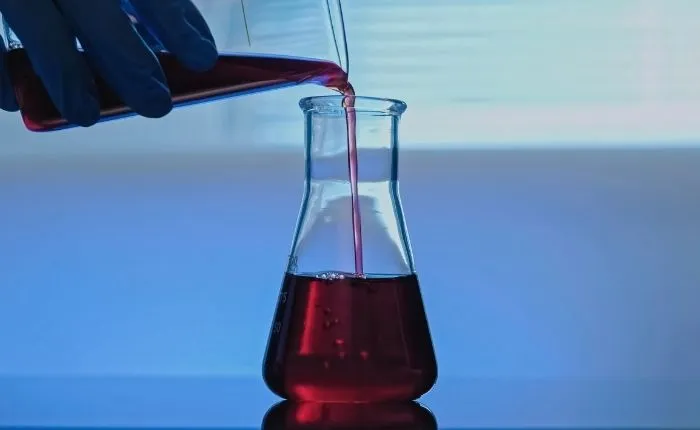
The textile sector has evolved significantly with the advancement of textile chemical technology. Manufacturers now require advanced textile processing chemicals that can enhance production speed while maintaining fabric strength and appearance. Textile auxiliaries help improve water absorption, dye penetration, softness, wrinkle resistance, flame retardancy, and anti-static properties in fabrics. Without these specialized textile chemicals, modern textile manufacturing would struggle to produce premium-quality garments and industrial fabrics.
The demand for textile auxiliaries continues to rise because of rapid growth in global apparel production, home furnishing industries, sportswear manufacturing, and technical textiles. Textile mills rely on high-quality auxiliary agents to ensure smooth processing and consistent results. These chemicals also help reduce production defects, improve operational efficiency, and support sustainable textile processing methods.
Textile auxiliary manufacturers develop customized formulations for different fibers such as cotton, polyester, wool, silk, nylon, and blended fabrics. Each fabric type requires specific chemical treatments to achieve desired performance characteristics. As a result, textile auxiliaries have become an essential component of modern textile engineering and industrial fabric production.
Dyeing and Finishing Chemicals in Textile Processing
Dyeing and finishing are among the most important stages where textile auxiliaries are extensively used. During the dyeing process, auxiliary chemicals improve dye absorption, color uniformity, and shade consistency. Dyeing auxiliaries such as wetting agents, dispersing agents, leveling agents, and fixing agents help textile manufacturers achieve vibrant and long-lasting colors.
Wetting agents improve water penetration into textile fibers, allowing dyes to spread evenly across the fabric surface. Dispersing agents help maintain dye stability during high-temperature processing, especially in polyester dyeing applications. Leveling agents ensure uniform coloration by controlling dye absorption rates, reducing patchiness and uneven shades.
Textile finishing chemicals are equally important because they enhance the final properties of fabrics. Softening agents provide a smooth and comfortable feel, while wrinkle-resistant chemicals improve dimensional stability and fabric appearance. Water-repellent finishes, flame-retardant treatments, antimicrobial coatings, and anti-static agents are commonly used textile auxiliaries in technical and performance fabrics.
Modern consumers expect textiles to offer not only comfort but also functionality. Sportswear, medical textiles, automotive fabrics, and industrial garments often require advanced finishing treatments for moisture management, antibacterial protection, and durability. Textile auxiliary suppliers continuously innovate to meet these changing market demands through advanced chemical technologies.
Eco-friendly textile auxiliaries are also becoming increasingly popular due to environmental regulations and sustainability concerns. Many manufacturers now focus on biodegradable textile chemicals and low-VOC formulations that reduce environmental impact during production. Sustainable textile processing has become a major trend in the global textile industry, encouraging the development of safer and greener auxiliary chemicals.
Textile Chemical Innovation and Industrial Performance
The textile chemical industry continues to evolve with the introduction of high-performance textile auxiliaries designed for advanced industrial applications. Modern textile mills require auxiliary chemicals that perform efficiently under high-speed production conditions while maintaining product quality and operational stability.
Silicone softeners are among the most widely used textile auxiliaries because they improve softness, elasticity, and fabric smoothness. These chemicals are commonly applied to garments, towels, knitwear, and home textiles to enhance comfort and luxury appeal. Advanced silicone formulations also improve fabric durability and wash resistance.
Pretreatment auxiliaries are another important category in textile manufacturing. Scouring agents, desizing chemicals, bleaching stabilizers, and enzyme treatments prepare fabrics for dyeing and finishing processes. Proper pretreatment improves fabric cleanliness, absorbency, and dye uptake, leading to higher-quality textile products.
Digital textile printing has also increased the demand for specialized textile auxiliaries. Printing chemicals help maintain sharp designs, strong color fixation, and smooth ink penetration. As textile printing technologies continue to advance, chemical manufacturers develop innovative auxiliaries that support faster and more precise production methods.
Global textile markets are highly competitive, making product quality and processing efficiency essential for manufacturers. Textile auxiliaries help mills reduce processing time, minimize fabric damage, and improve overall productivity. Reliable textile chemical suppliers provide technical expertise and customized formulations to support different industrial requirements.
Research and development remain central to the growth of the textile auxiliaries industry. Manufacturers continuously test new chemical combinations to improve fabric performance while reducing environmental impact. Low-foam auxiliaries, formaldehyde-free finishing agents, and energy-saving textile chemicals are gaining strong market demand due to stricter environmental standards.
Textile Auxiliary Manufacturers and Global Market Growth
Textile auxiliary manufacturers serve a critical role in supporting global textile production. These companies supply chemicals to garment factories, textile dyeing units, fabric finishing plants, and technical textile producers worldwide. The Asia-Pacific region dominates the textile auxiliary market because of its strong textile manufacturing base and large export-oriented apparel industry.
Countries with major textile industries continue investing in advanced textile chemical technologies to remain competitive in international markets. Textile auxiliary suppliers work closely with fabric manufacturers to develop customized solutions for various textile applications. High-performance chemicals help textile companies maintain product quality while meeting strict customer specifications.
The demand for specialty textile auxiliaries has increased significantly in recent years. Consumers now prefer textiles with enhanced softness, durability, stain resistance, and moisture control properties. Fashion trends and performance clothing markets also influence the development of new textile chemical formulations.
Sustainability remains a major focus area for textile auxiliary manufacturers. Eco-friendly production methods, reduced water consumption, and biodegradable chemicals are becoming essential requirements in textile processing. Many companies now develop green textile auxiliaries that support environmentally responsible manufacturing practices while maintaining strong industrial performance.
Technological innovation continues shaping the future of textile auxiliaries. Smart textiles, functional fabrics, and technical textile applications require highly specialized chemical treatments to deliver advanced performance characteristics. As global textile industries continue evolving, textile auxiliaries will remain essential for achieving superior fabric quality and efficient industrial production.
Conclusion
Textile auxiliaries are a fundamental part of modern textile manufacturing, supporting every stage of fabric processing from pretreatment to finishing. These specialized textile chemicals improve fabric appearance, softness, durability, dyeing quality, and functional performance across a wide range of textile applications.
With growing demand for high-quality textiles and sustainable production methods, the textile auxiliaries industry continues to expand rapidly. Advanced textile processing chemicals, eco-friendly formulations, and innovative finishing technologies are transforming the future of fabric manufacturing. As textile industries continue focusing on efficiency, sustainability, and product excellence, textile auxiliaries will remain a key driver of innovation and industrial success worldwide.
shell
ผู้เยี่ยมชม
Floras12
ผู้เยี่ยมชม
1 ก.ค. 2569 01:44 #1
Textile auxiliaries help improve fabric processing while fiber selection shapes the final comfort and texture Yarn Bee Baby Bee Angel Fleece is a good example of how soft materials can make handmade baby blankets and cozy projects feel more comfortable showing that both production methods and quality yarn choices matter for the finished result
Floras12
ผู้เยี่ยมชม